
KEYSTONE SPECIES - Collective Research and Zine Making Workshops | 13 & 27 Jun 2026
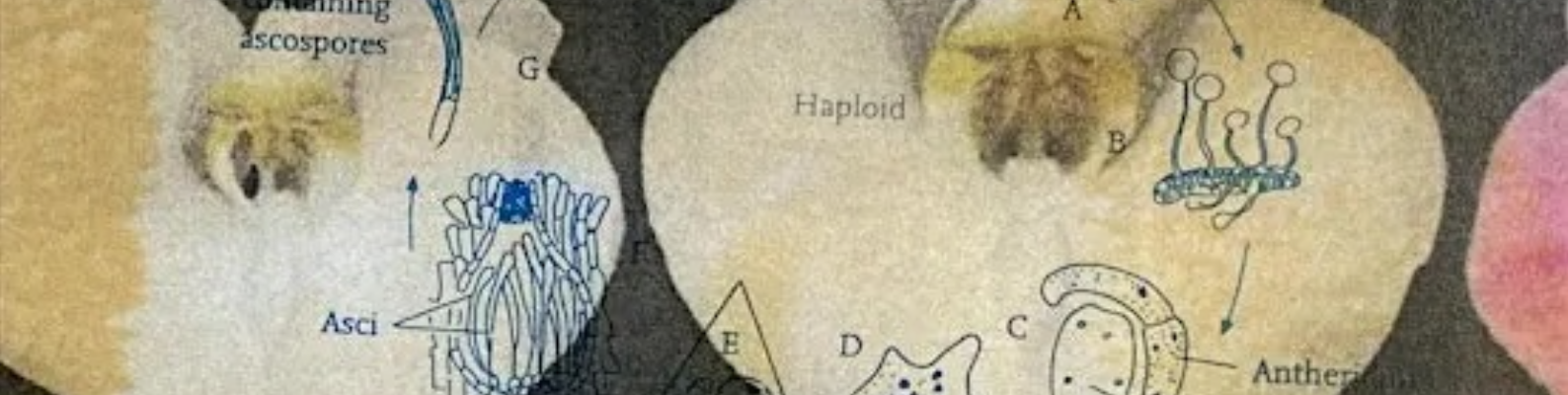
The first session of KEYSTONE SPECIES — Collective Research and Zine-Making Workshop invited participants to explore keystone species through selected readings, drawing, mapping and collage.
About
Dr Jennifer Crouch led the first session of a two-part research and experimental zine-making workshop that invited participants to explore KEYSTONE SPECIES and ecology.
Keystone species are creatures that play a crucial role in holding ecosystems together. When they are removed, they can cause a ‘trophic cascade’ — trophic refers to the food web. A trophic cascade is an ecological phenomenon in which changes, such as adding or removing a species, trigger chain reactions such as local extinctions, overconsumption of vegetation resulting in soil degradation, erosion or flooding.
Starting with selected readings from multiple sources, participants encountered different keystone species alongside texts from the critical posthumanities, critical mineral studies, ecology, situated knowledges and queer feminist science studies.
Session 1: Collaging, Reading, Drawing, Mapping and Collating
Participants created research pages that brought together their thoughts and reflections on keystone species through reading, cutting, drawing and collage. Jennifer printed these over the following weeks on a variety of paper types and colours for use in Session 2. Original pieces were available for collection from 27 June onwards, by the second session.
Session 2: Zine Making and Experimental Formats
Using the printed.photocopied collages from session 1, we will create zines using simple book binding processes and apply folds, stitches and inserts to create experimental formats to create a collective zine collection. This second workshop takes place during London Climate Week and by the end of the session, each person taking part will have an zine containing our collective research created using different book binding formats, fold-outs and inserts.
Artist Biography
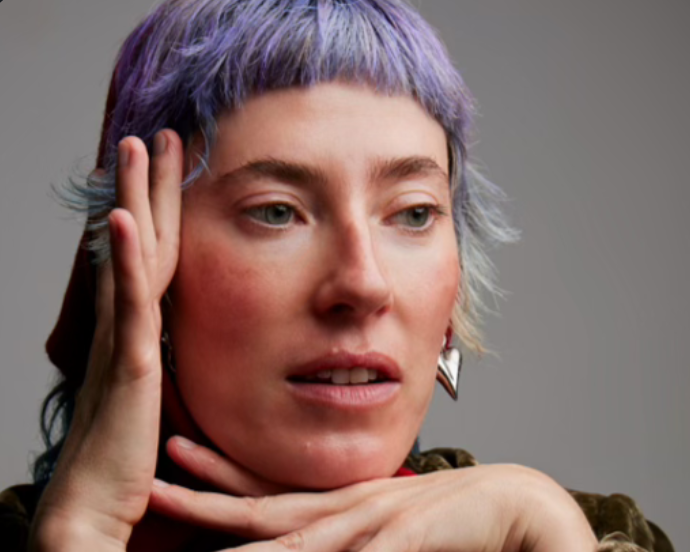
Dr Jennifer Crouch
Dr Jennifer Crouch is an art-science practitioner/researcher working in sculpture, textiles and image-making, mobilising trans-disciplinary artistic projects that explore multi-scalar interconnectedness.
Drawing from the shared lineage of the computational technologies and textiles, their practice-based PhD used weaving, drawing and sculpture to explore MRI, embodied knowledge, corporeality and hidden labour. Jennifer is the 2026 artist in residence at Fruk Labs, University of Cambridge working on a project called ‘Molecular Memory’: which explores the convergences of biogeochemical cycles, cellular processes, plant and bacterially derived dyes, textile historoes and institutional power dynamics. They are in the process of building a telescope from scratch and are a co-founder of the Cosmic New Materialisms Reading Group.
Jennifer has a background in physics and medical illustration, which informs their work as a public engagement professional, which they enact as an author and through interactive events and workshops such as those developed as a member of Jiggling Atoms. They are an associate lecturer on the MA in Art and Science at Central Saint Martins, a sessional lecturer in textiles at Morley College, and have taught in multiple universities on the topic of art-science, textile research methodologies and creative practice across the UK and Europe.
They were awarded their PhD in 2023 from the University of Portsmouth, titled Re-corporealising MRI Data: A Practice-based Investigation through Art and Science. Their thesis is an exploration of corporeal matter, embodied knowledge, disability studies, disease and MRI physics via queer feminist science studies, the critical posthumanities, and post-digital practices of sculpture, weaving textiles and illustrated cartographies.
Jennifer’s research can be found on their PhD website and have been published with .able journal an image-based journal at the intersection of art, design, and sciences responding to the complexities of today’s society.
Other publications and research outputs include (Sym)poetics of Biomineralisation: Molecular Biology/Literature/Posthuman Poetics, a co-authored chapter with Dr Ruth Alison Clemens in the forthcoming book Posthuman Convergences: Transdisciplinary Methods and Practices, edited by Goda Klumbytė, Emily Jones, Rosi Braidotti. 2025