
Spring visit to Wakelyns pioneering organic agroforestry farm in Suffolk | 27 Apr 2025
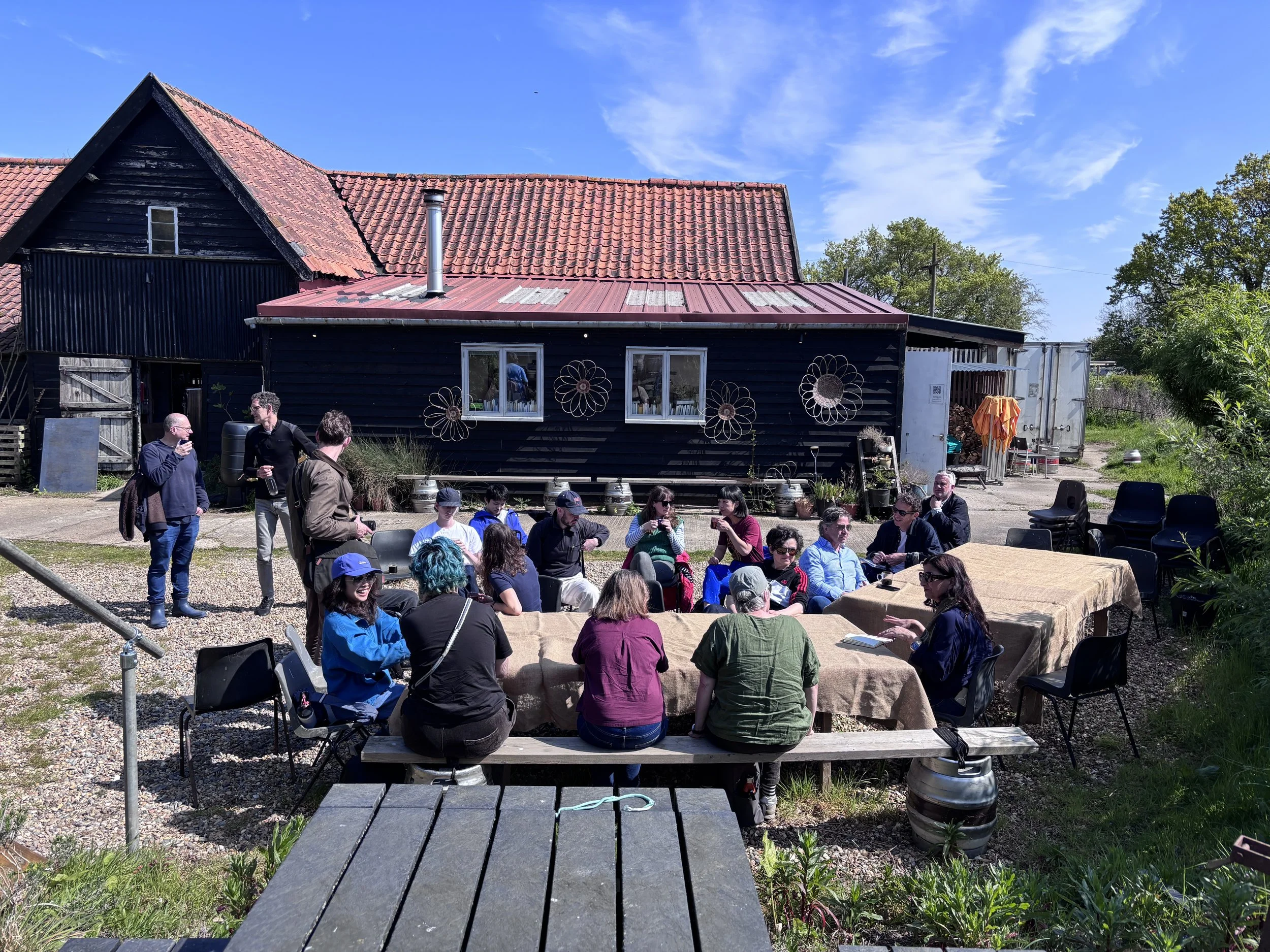
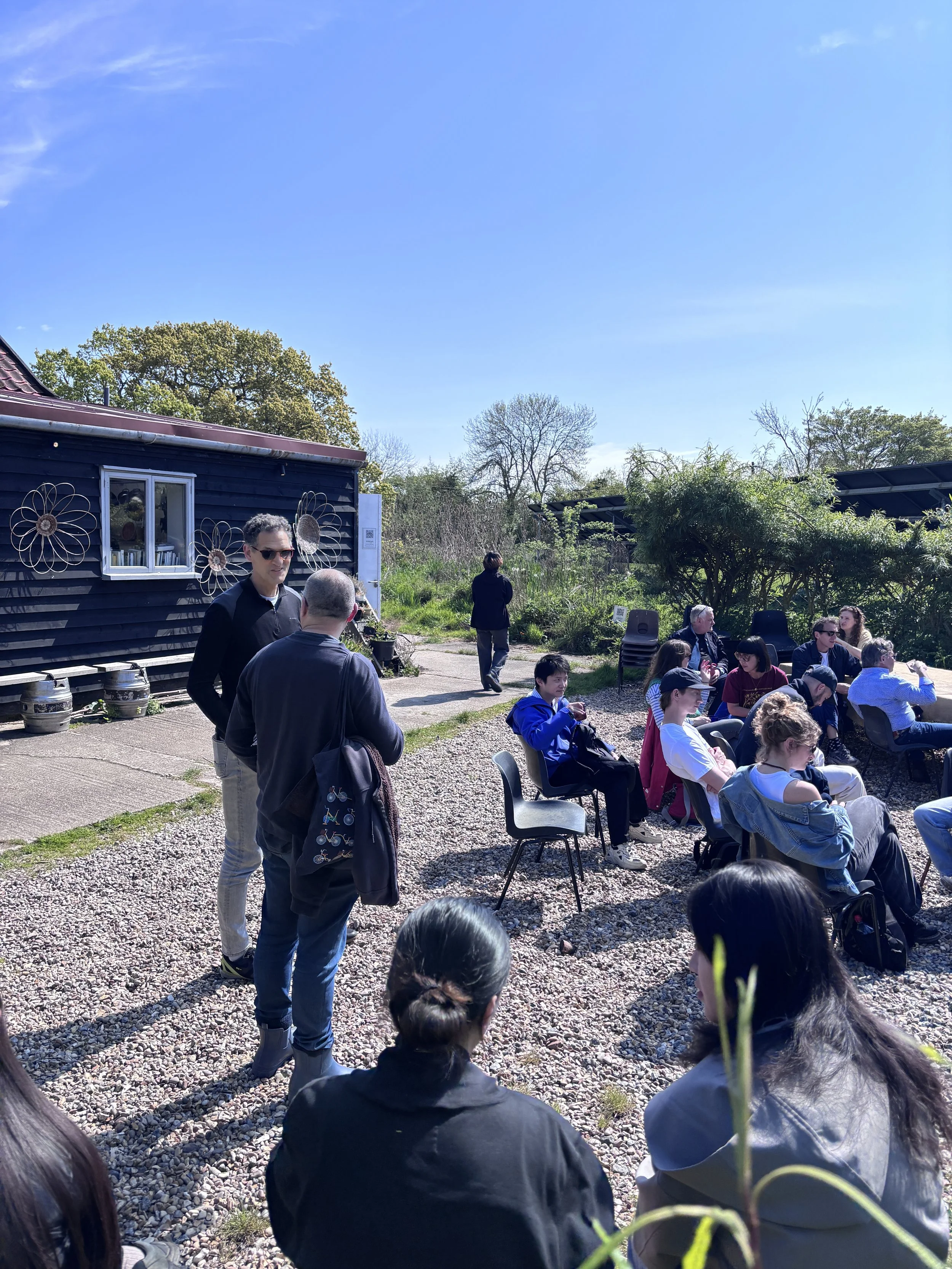
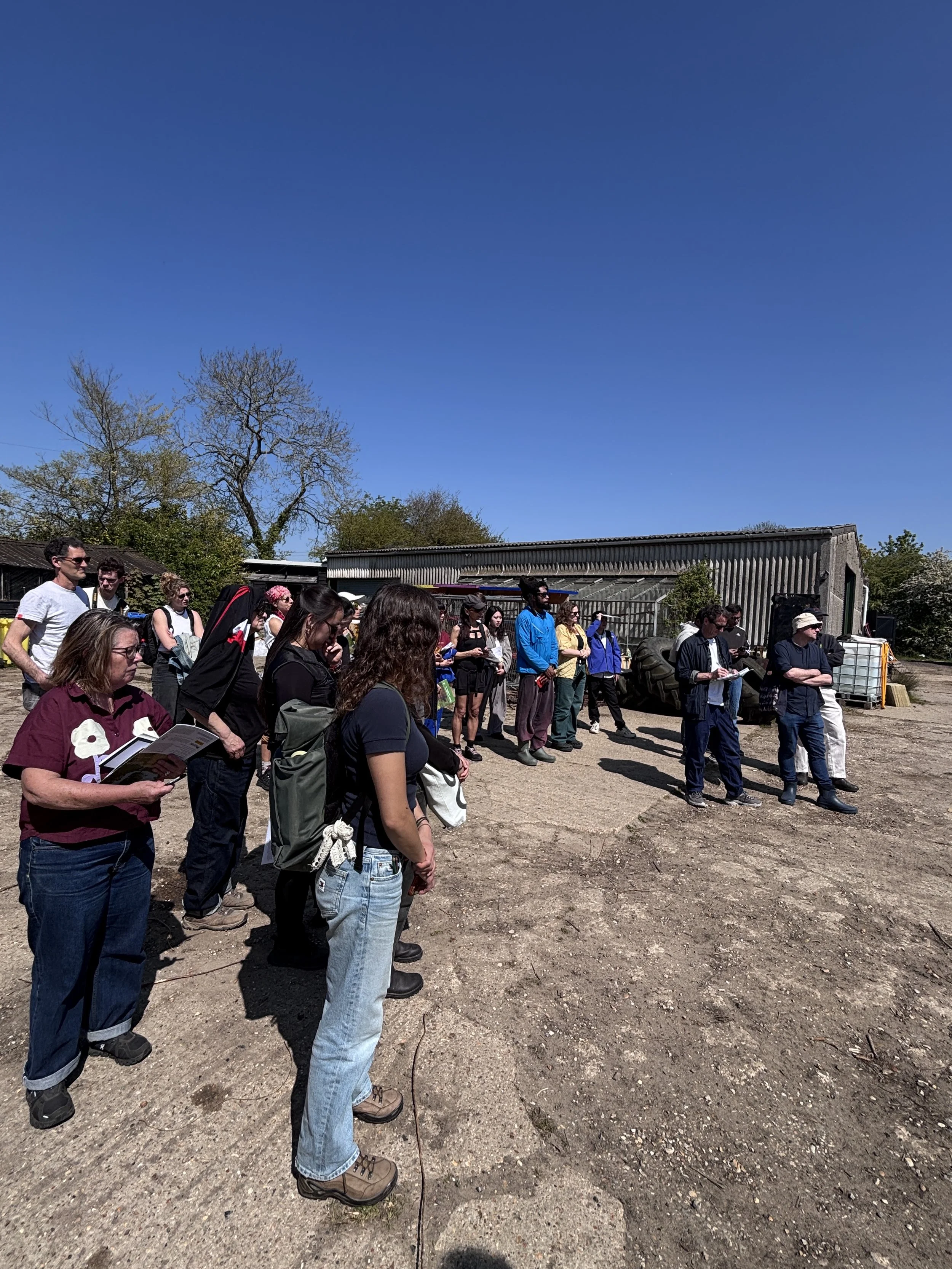
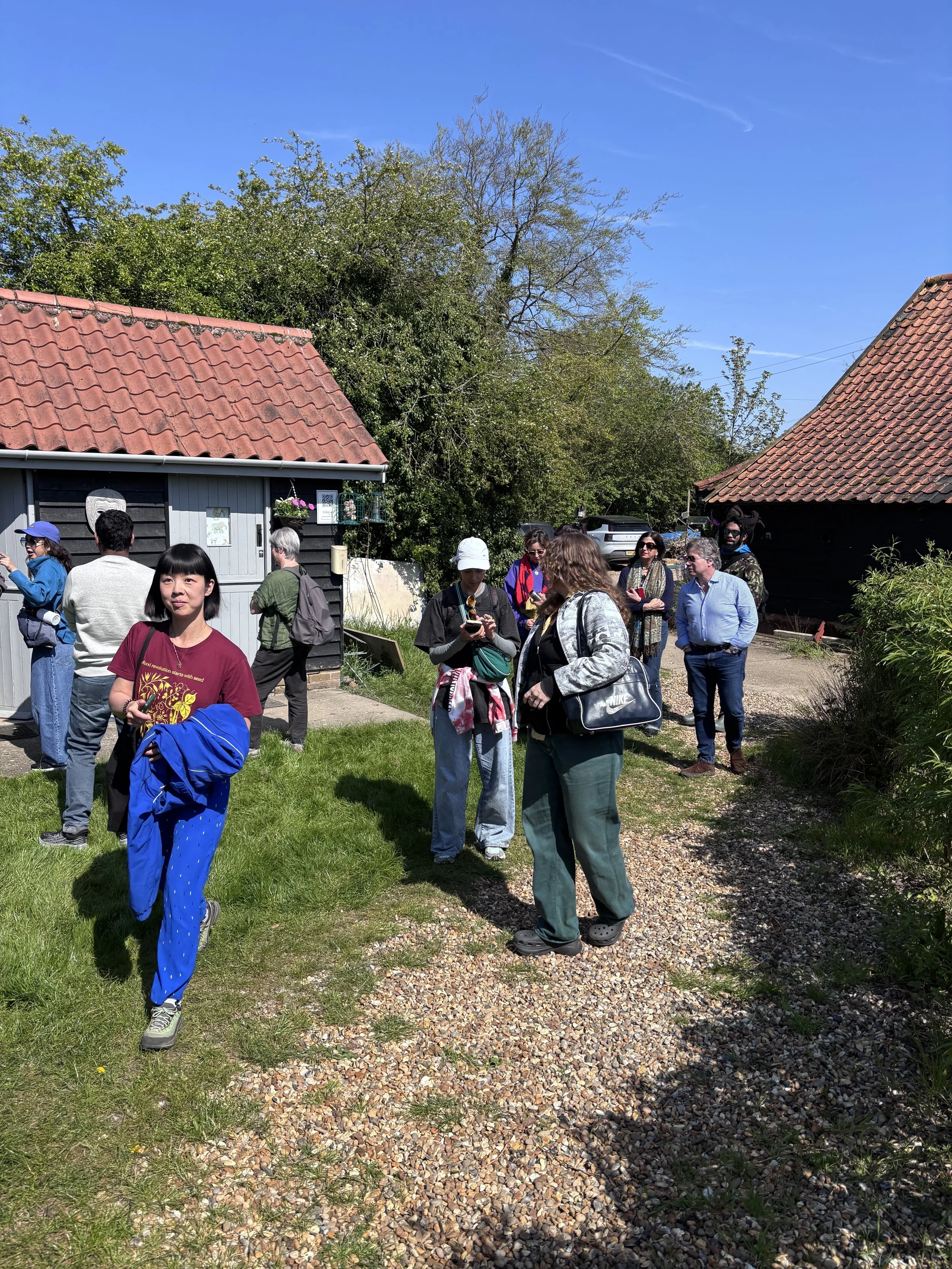
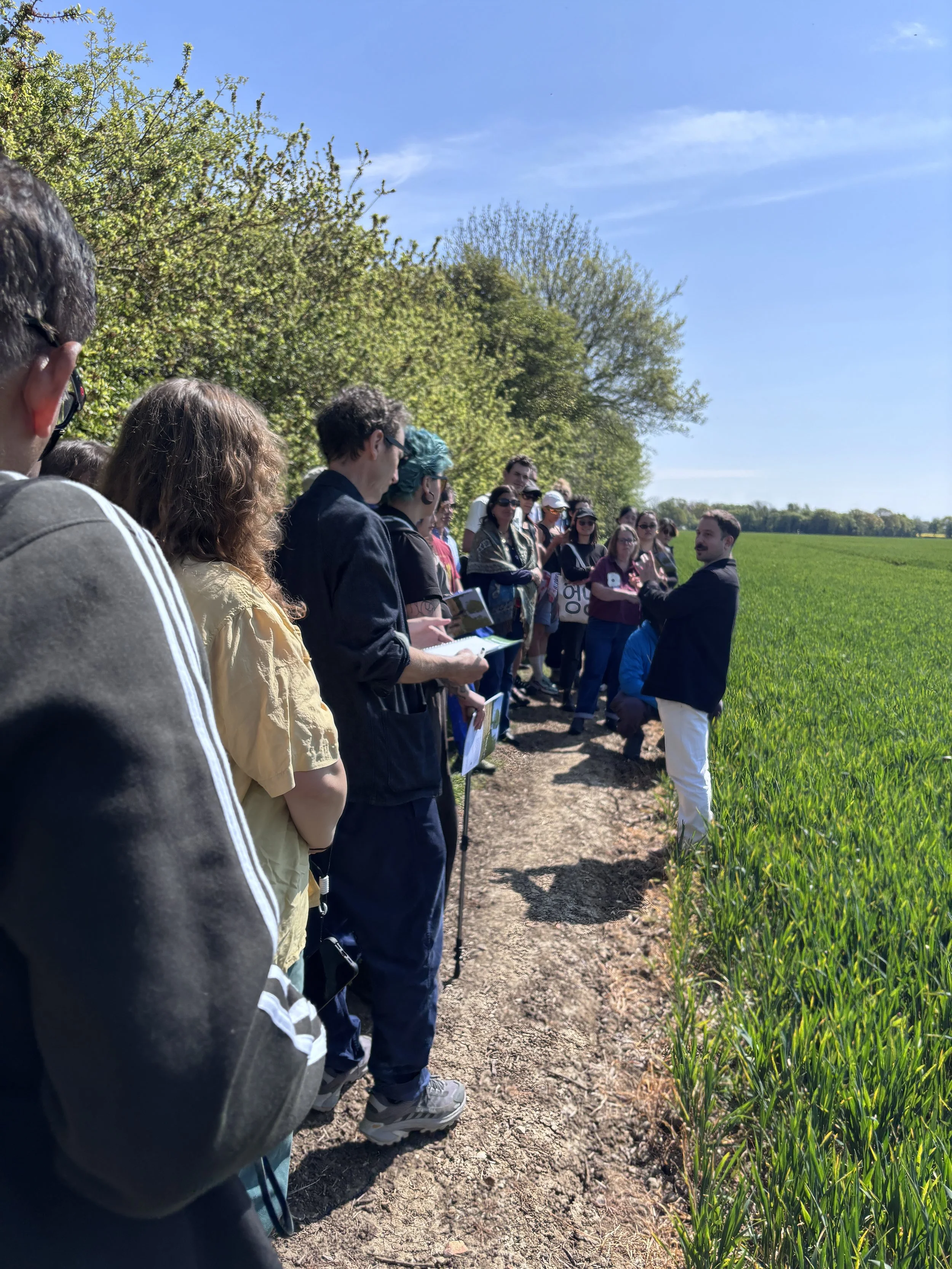
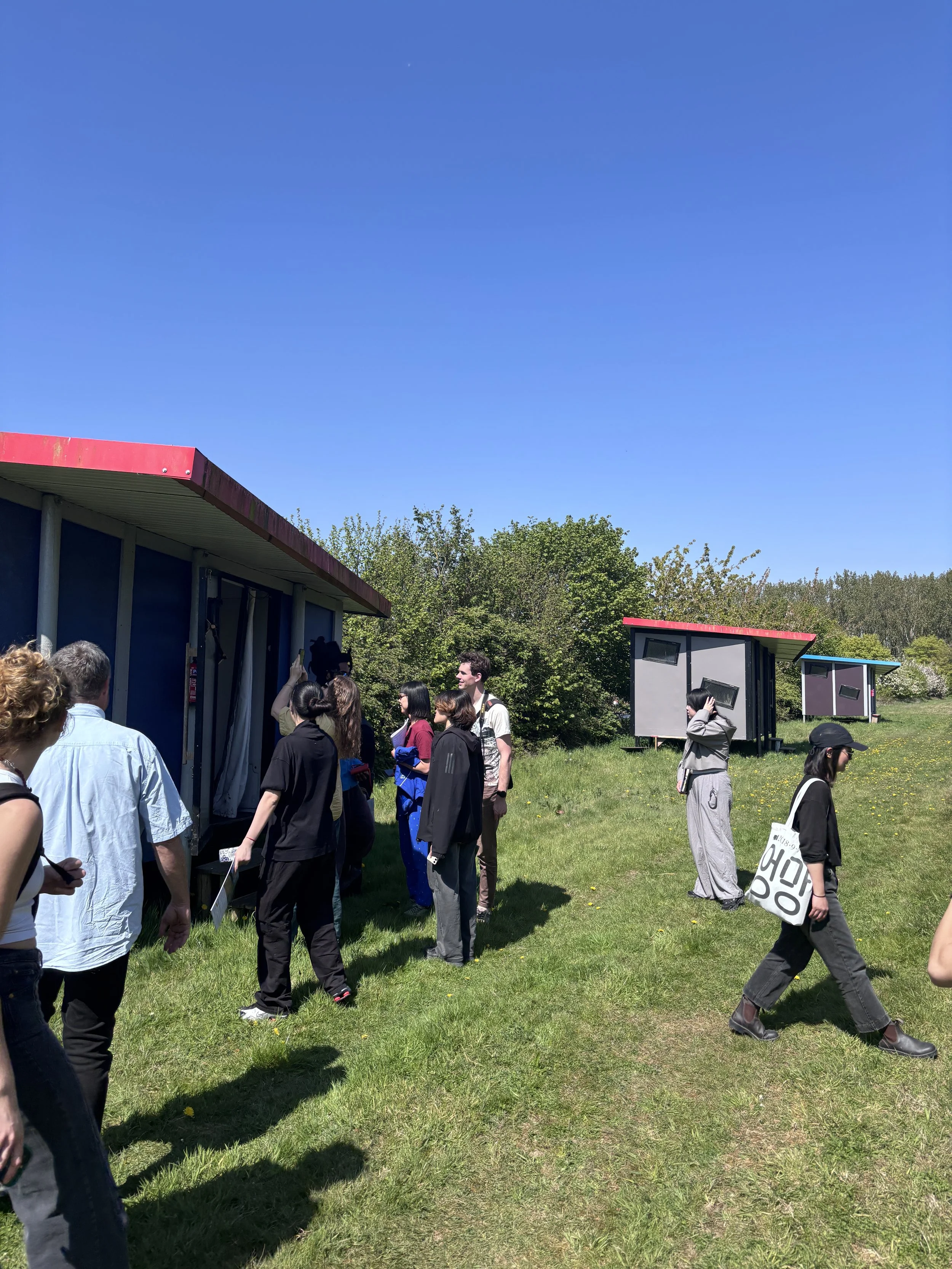
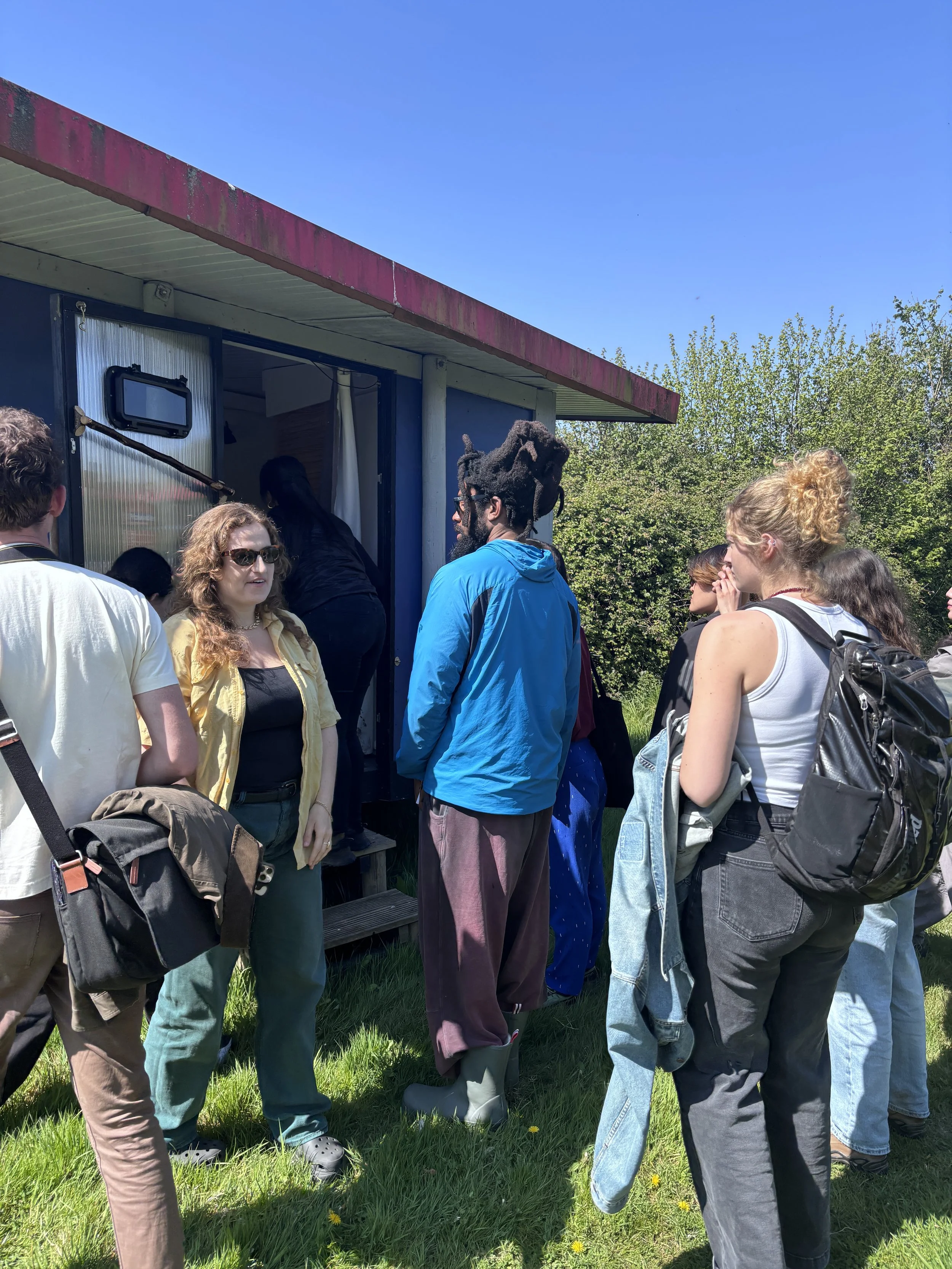
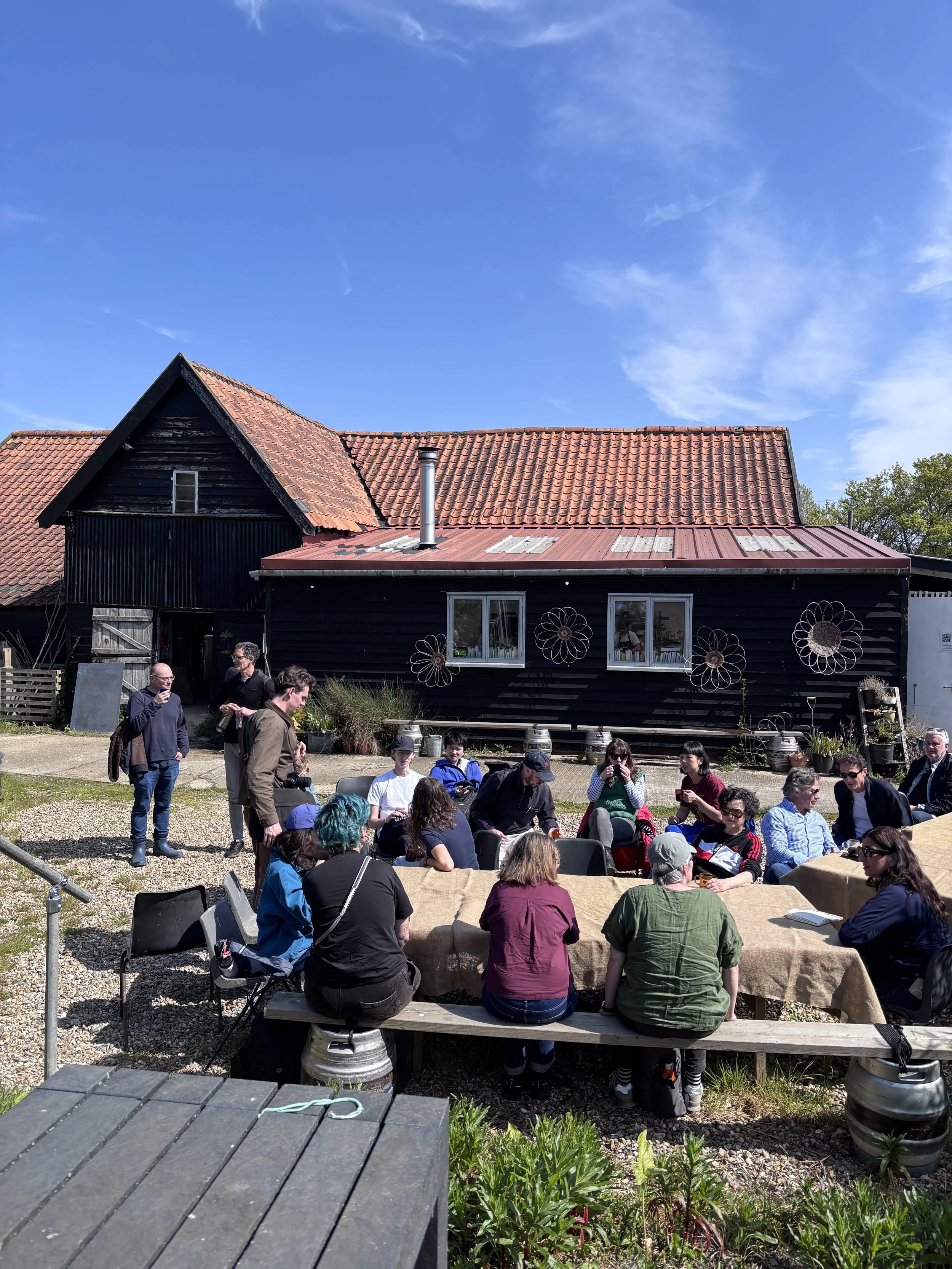
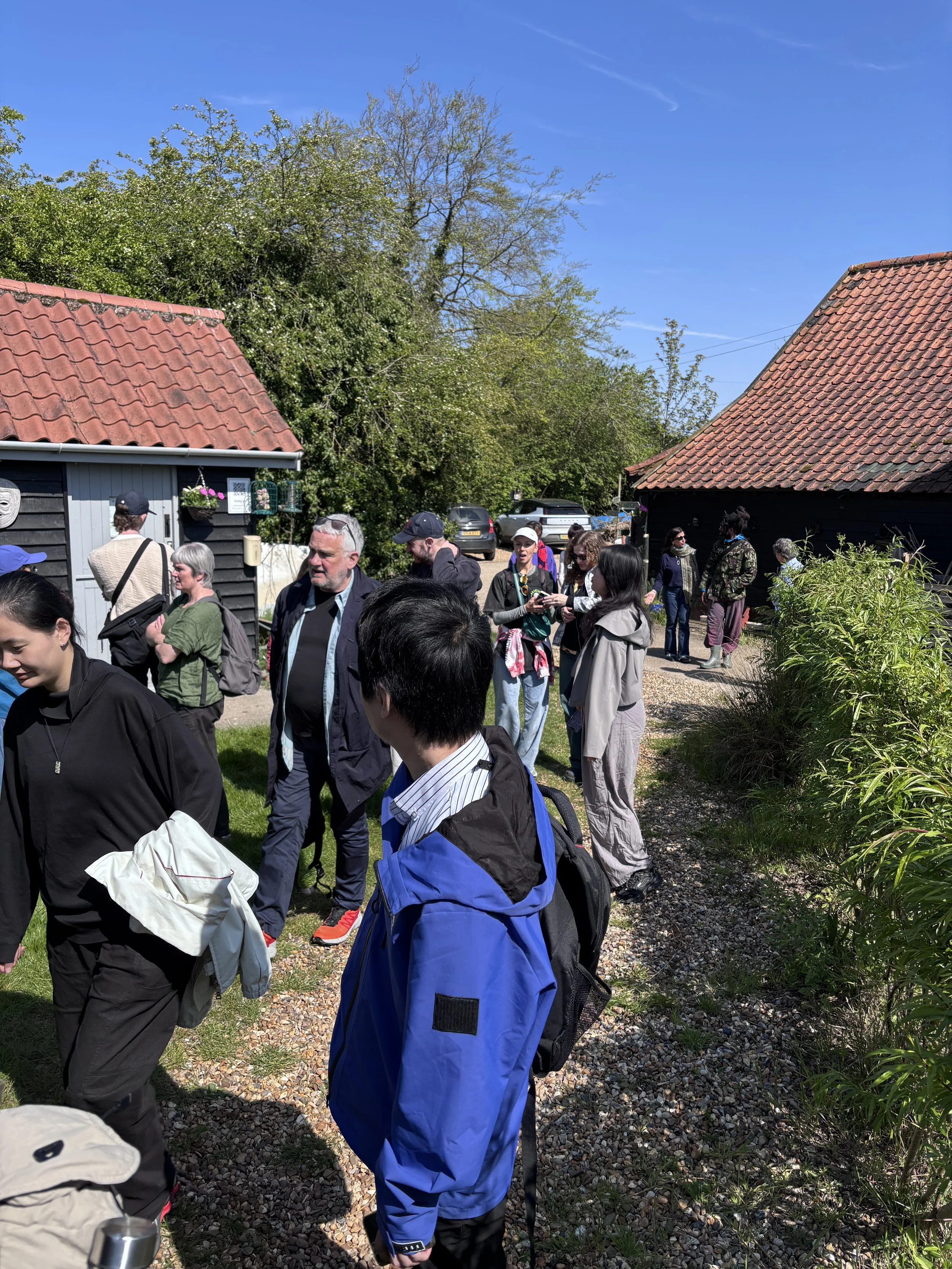
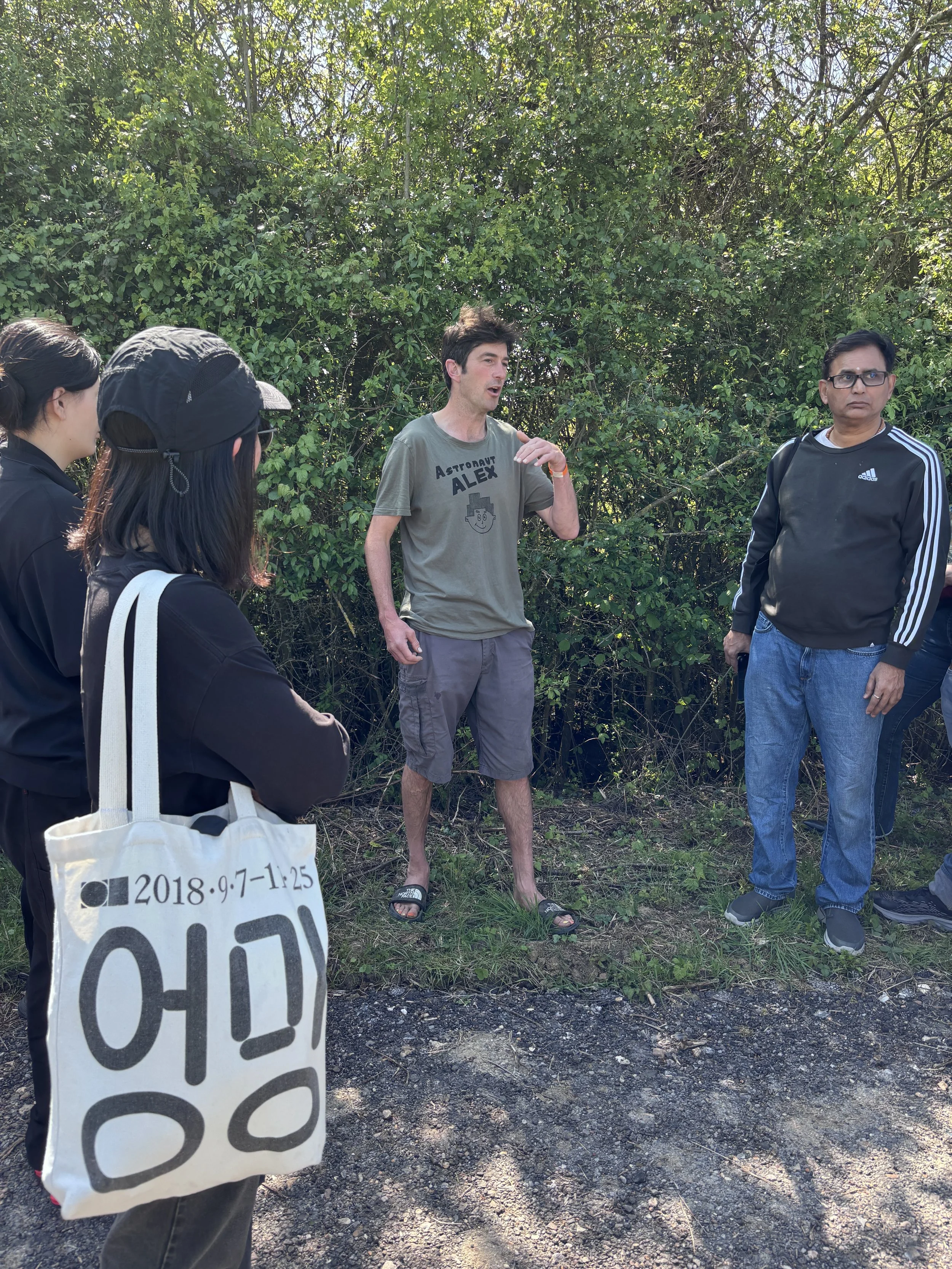
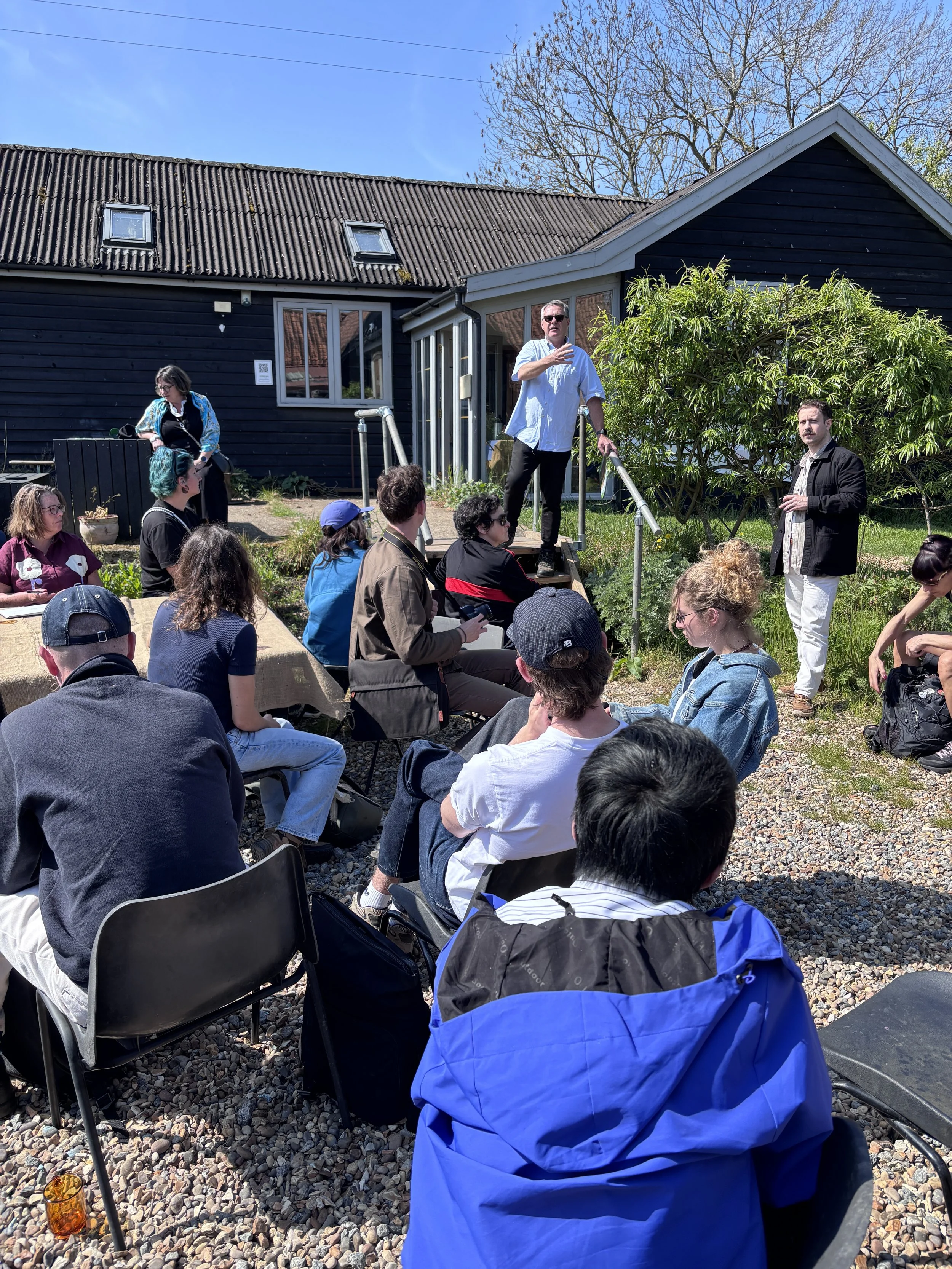
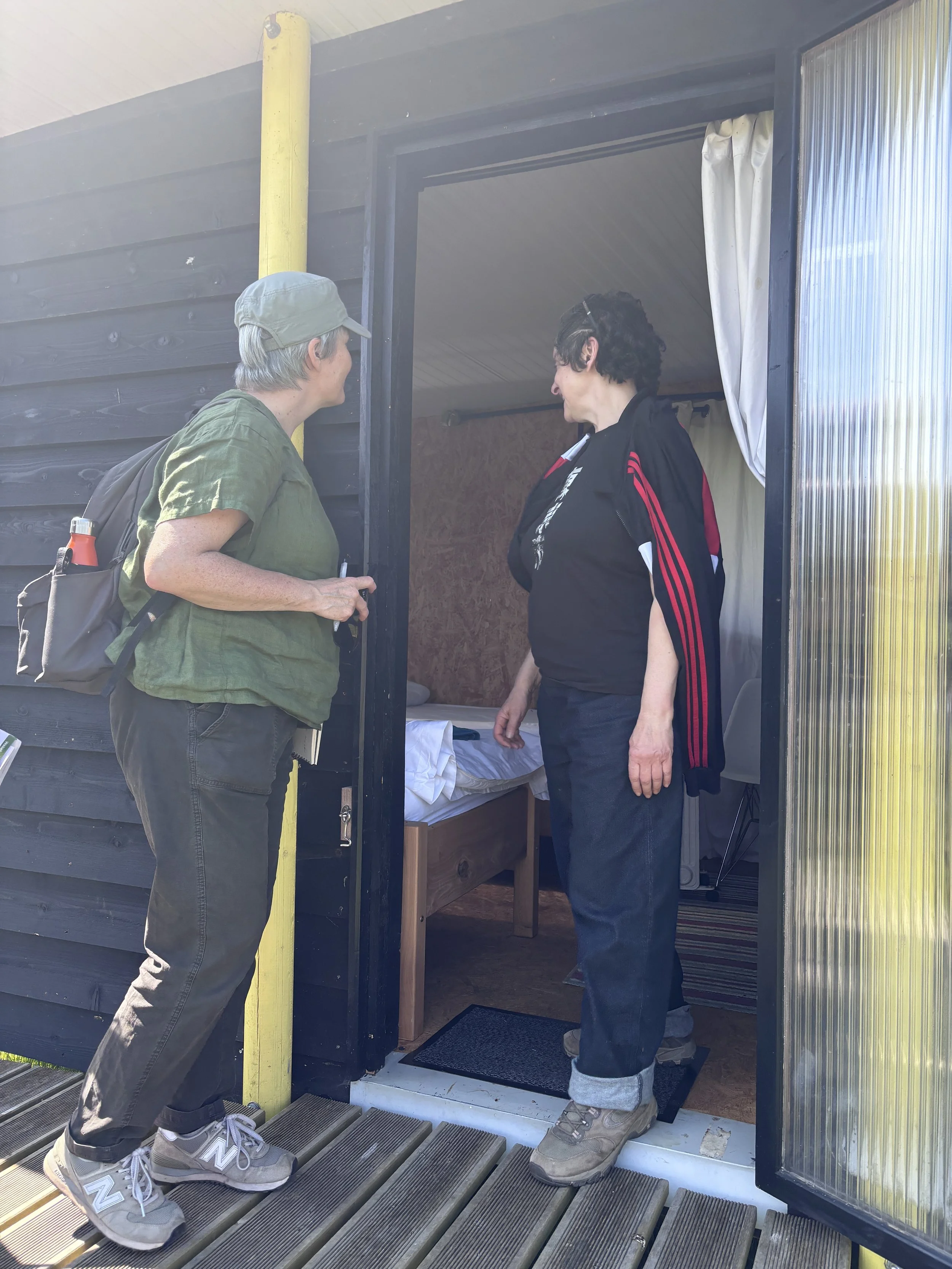
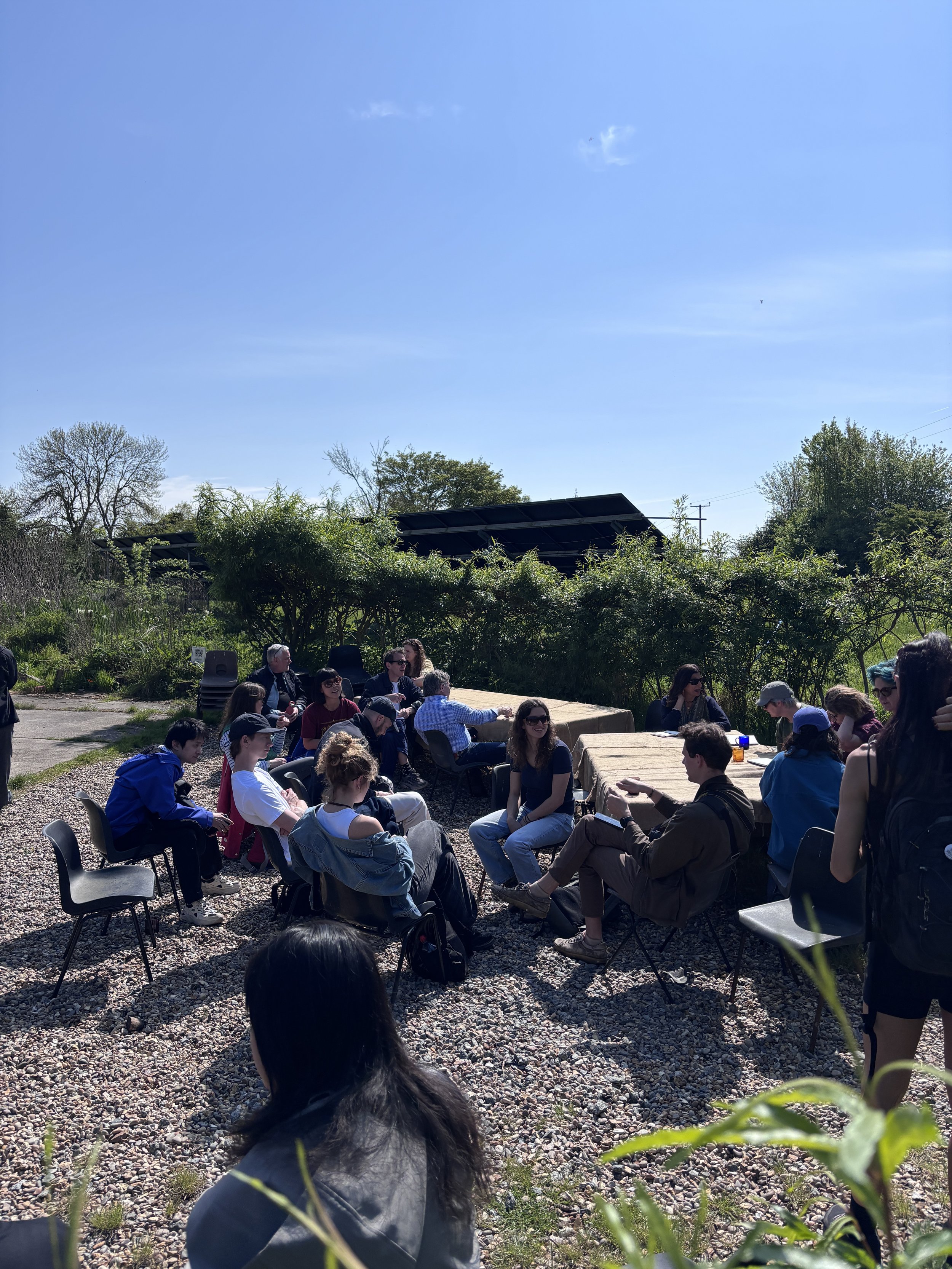
Proposition studio artists, collaborators, and friends visited Wakelyns agroforestry farm in Suffolk for a day of learning, conversation, and exchange around ecology, sustainable land use, and collaborative practice.

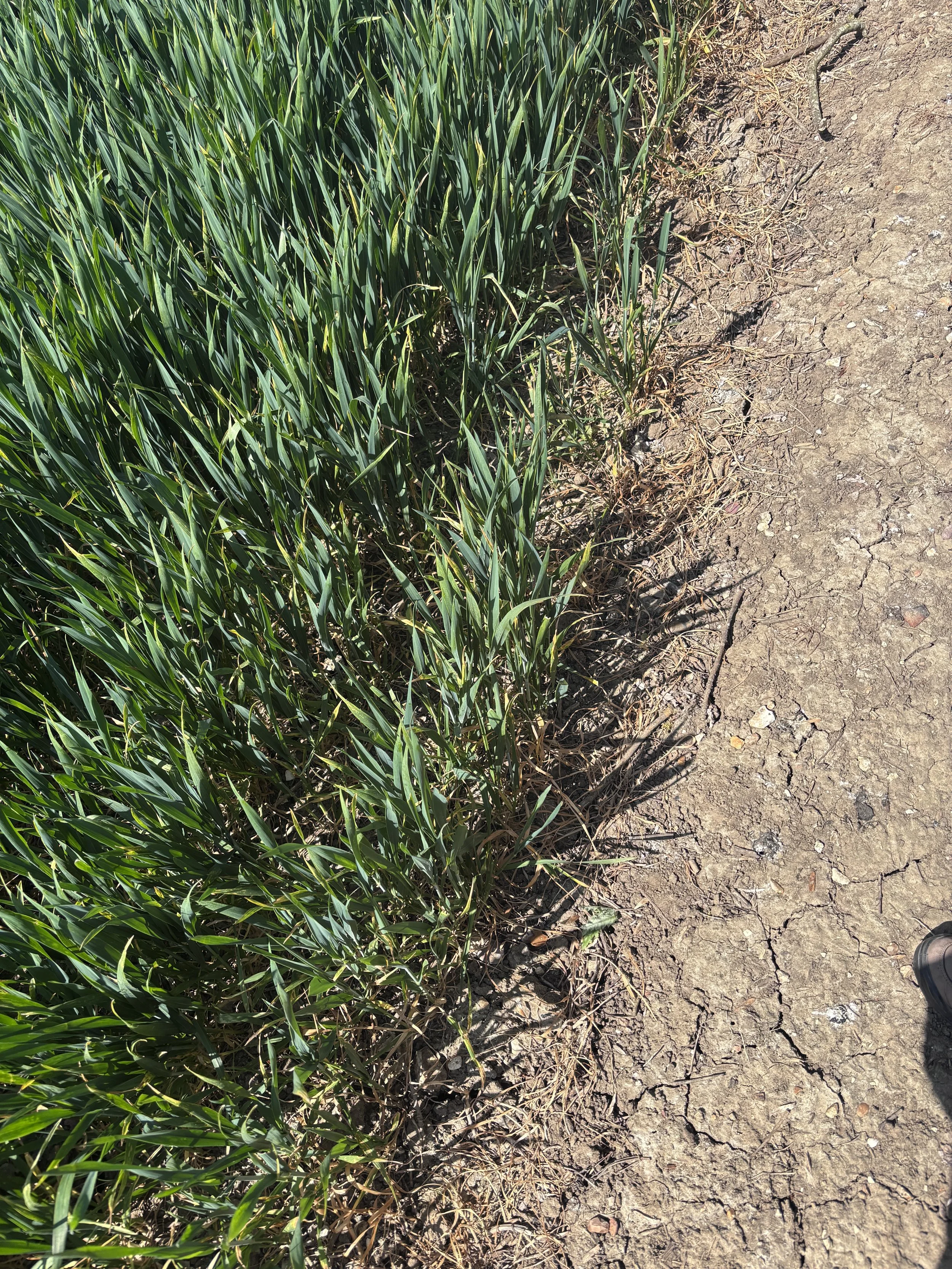
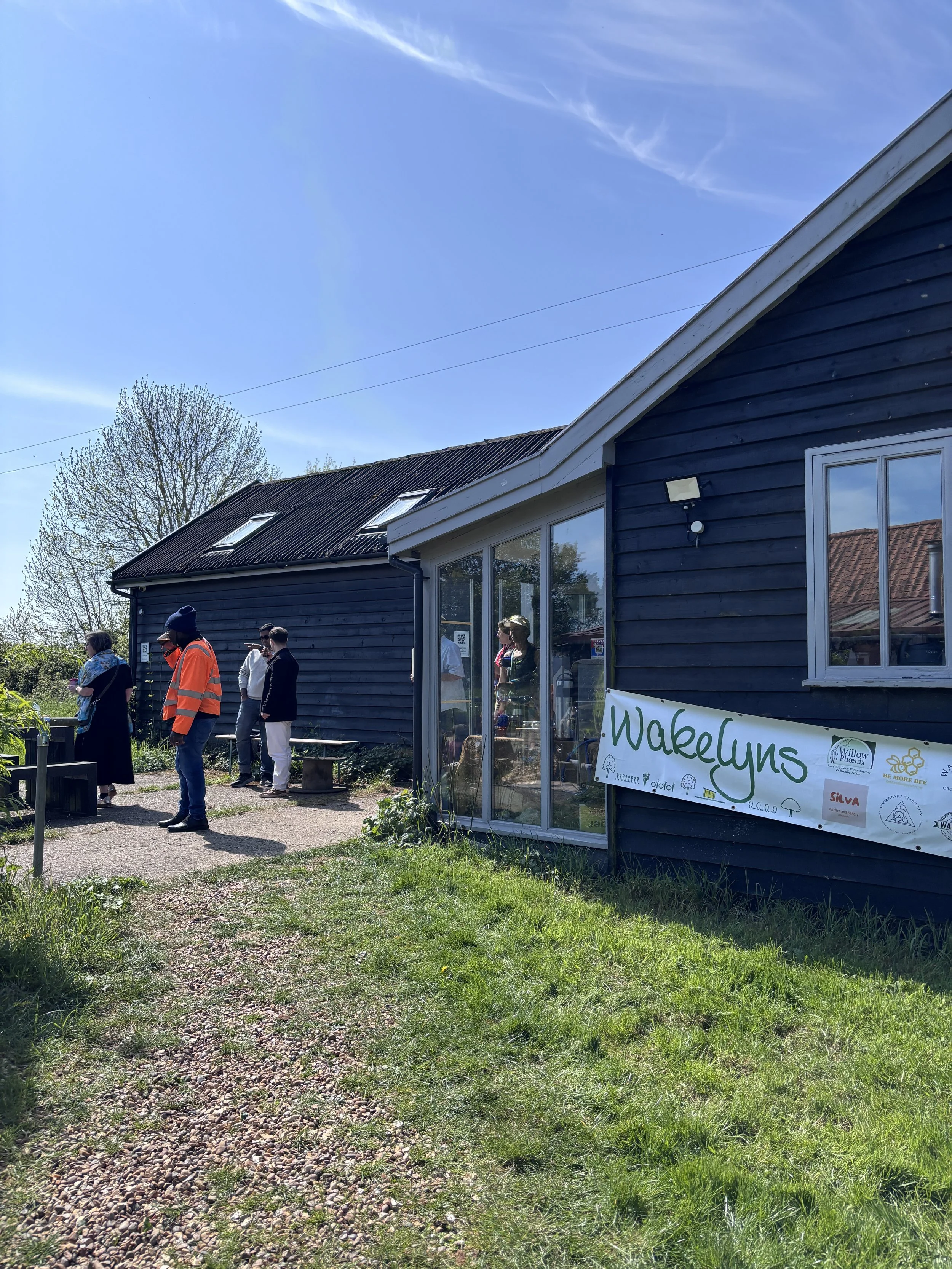
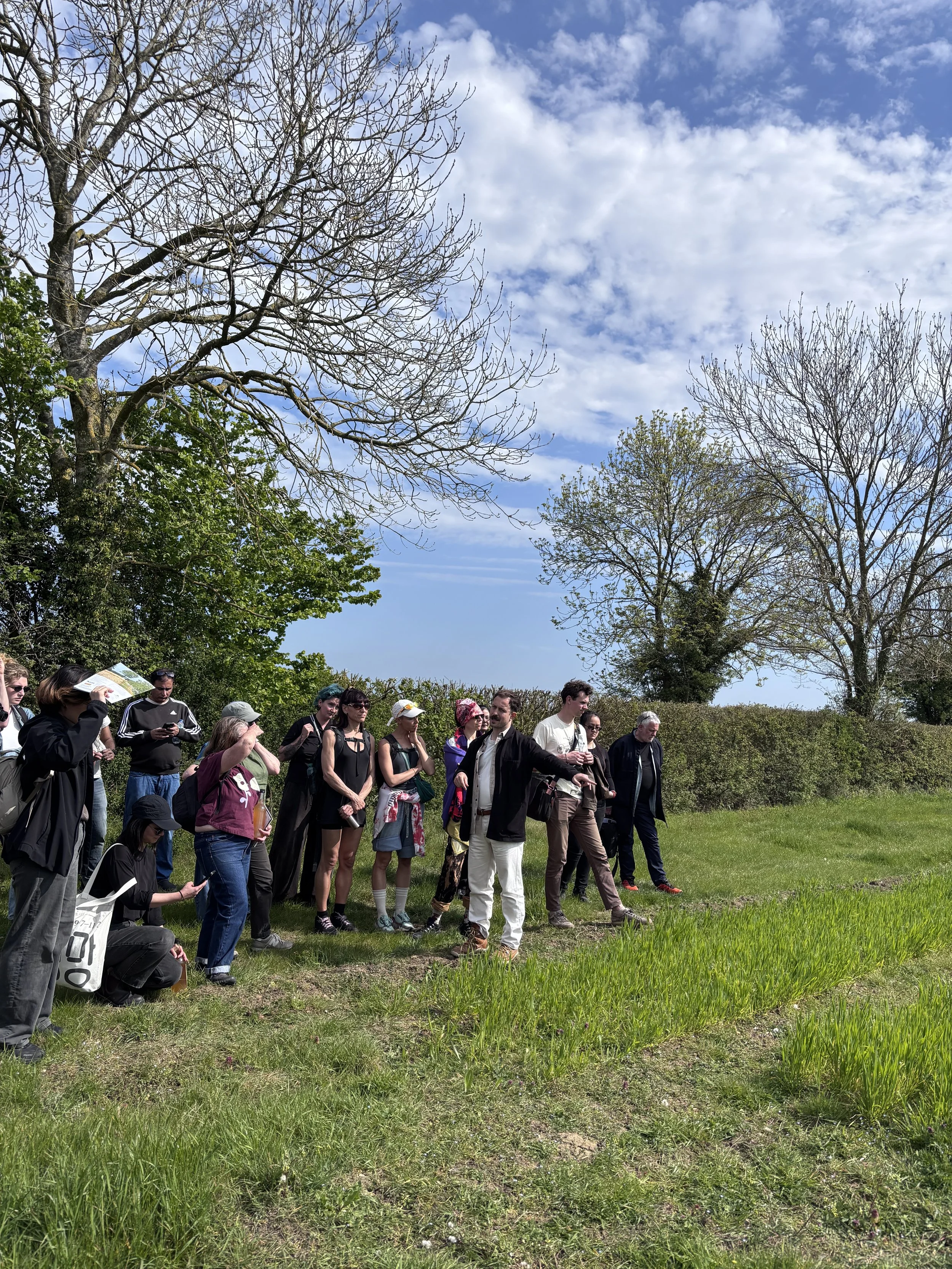
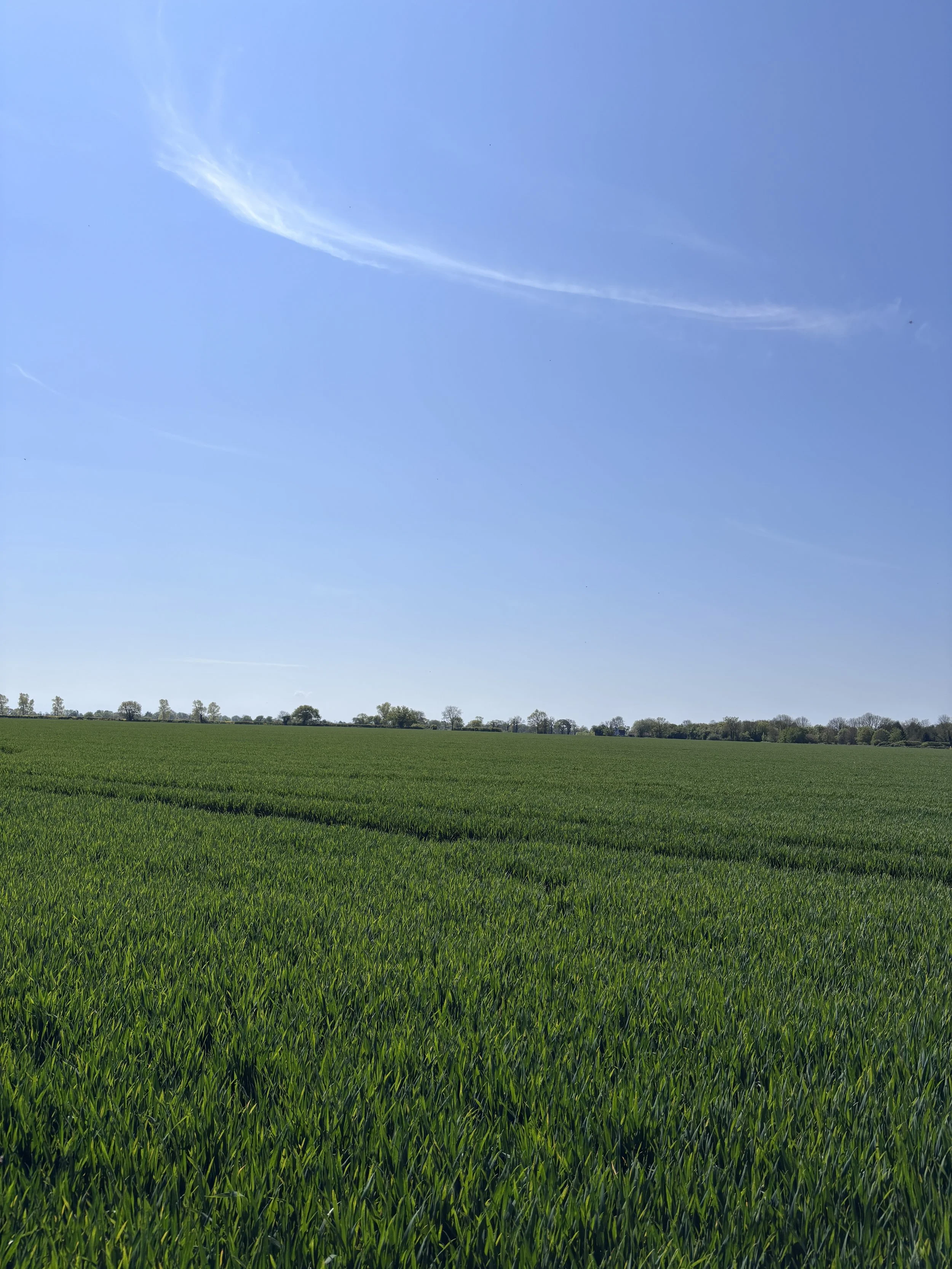
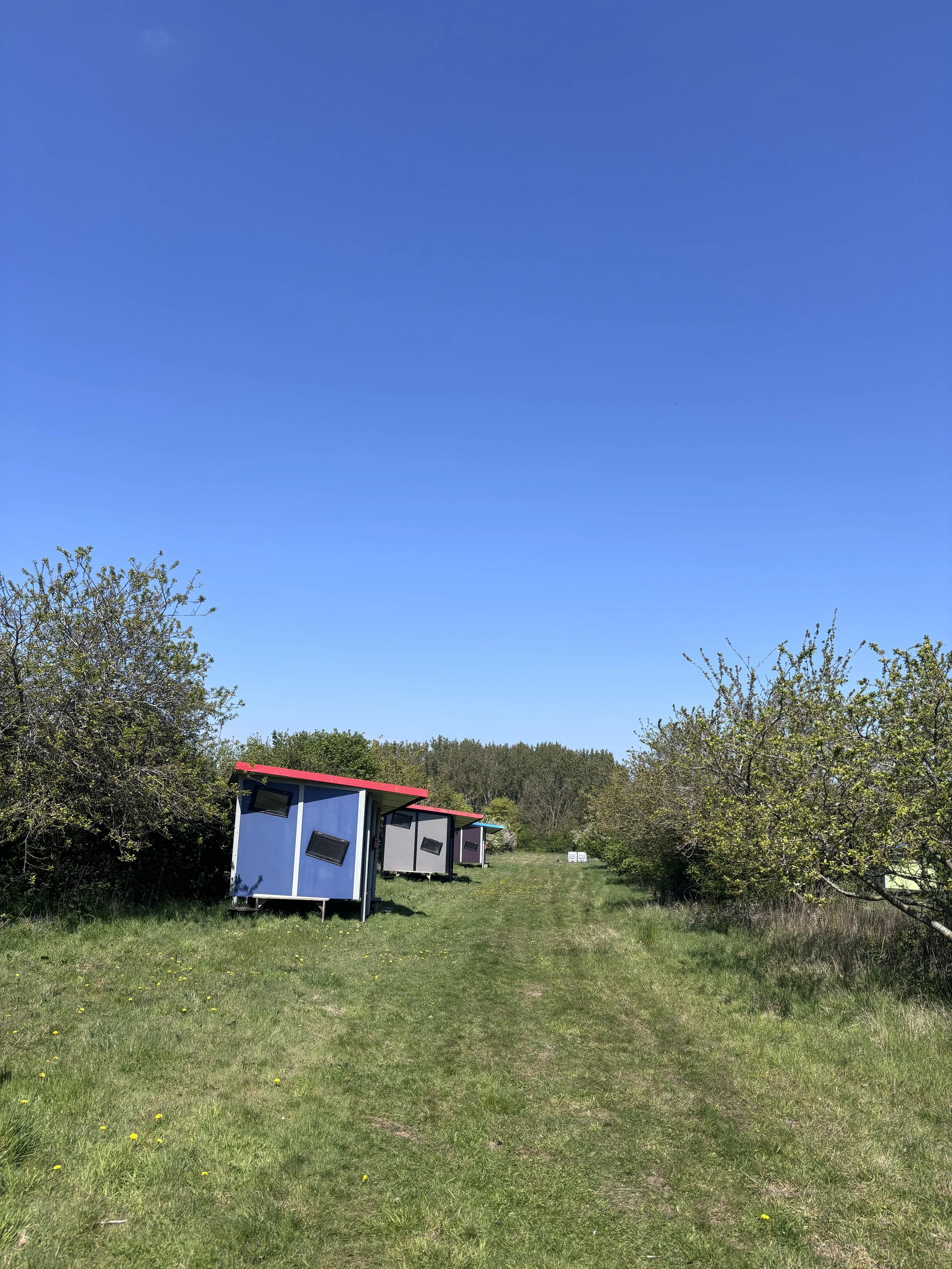
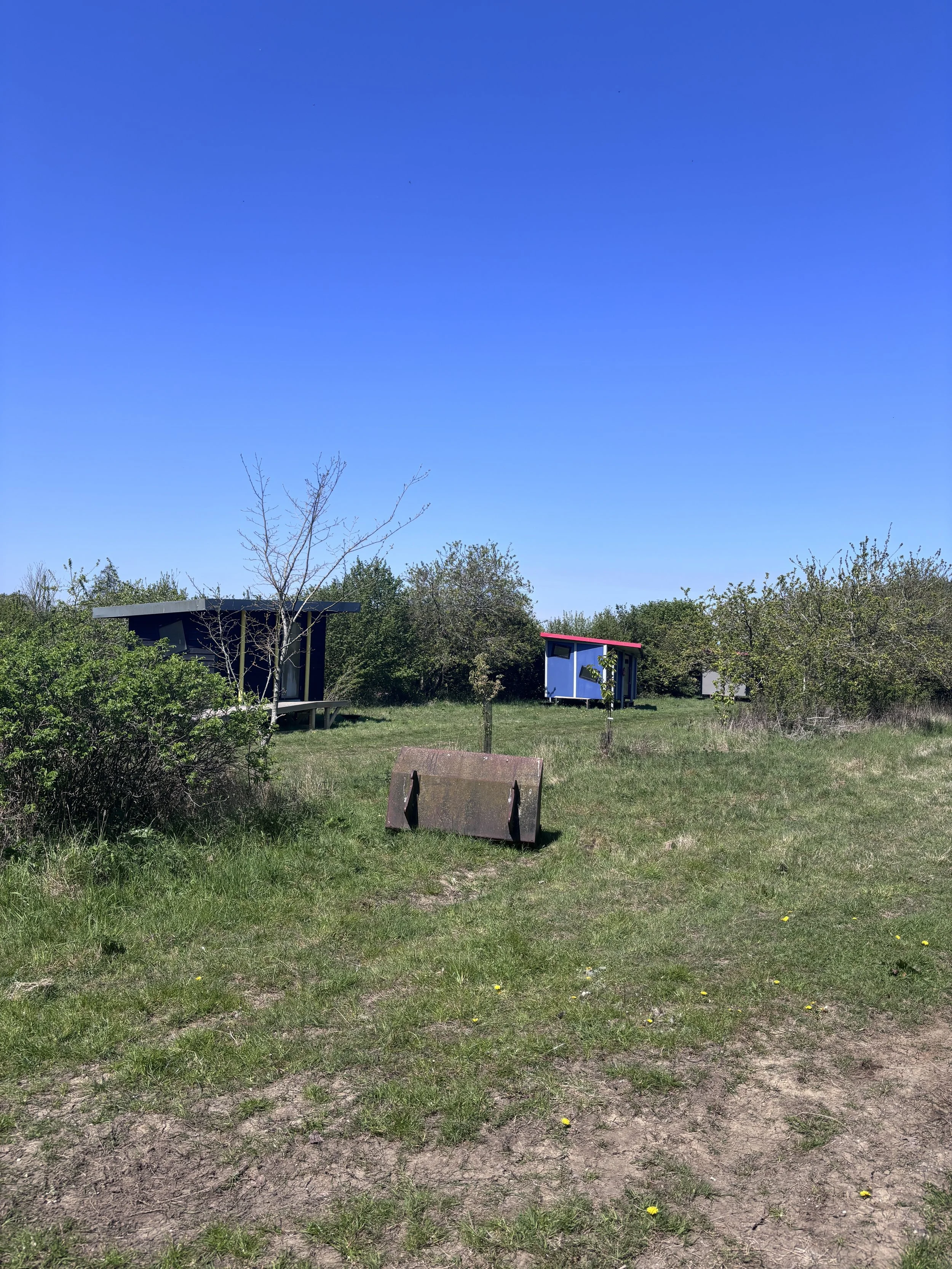
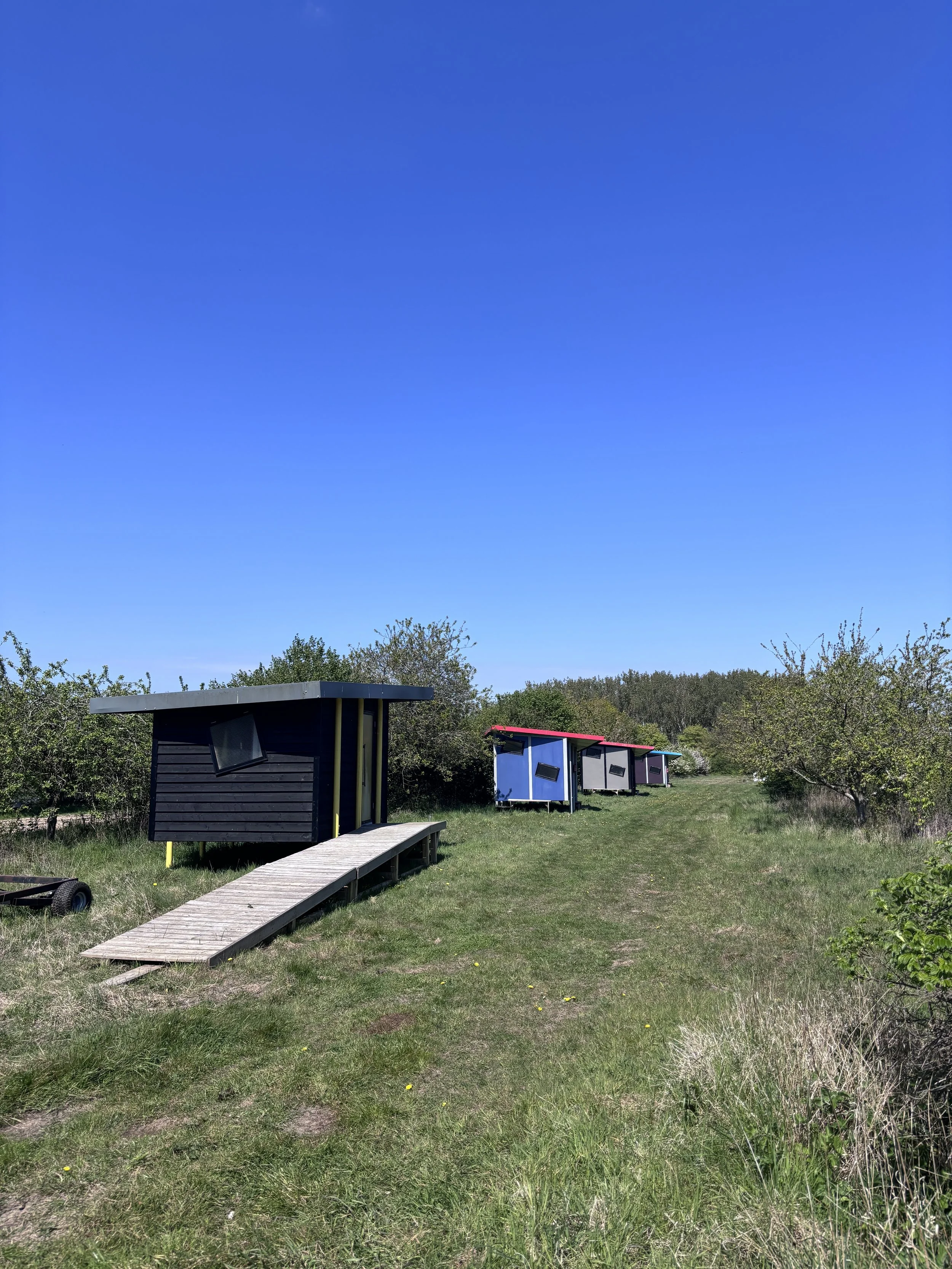
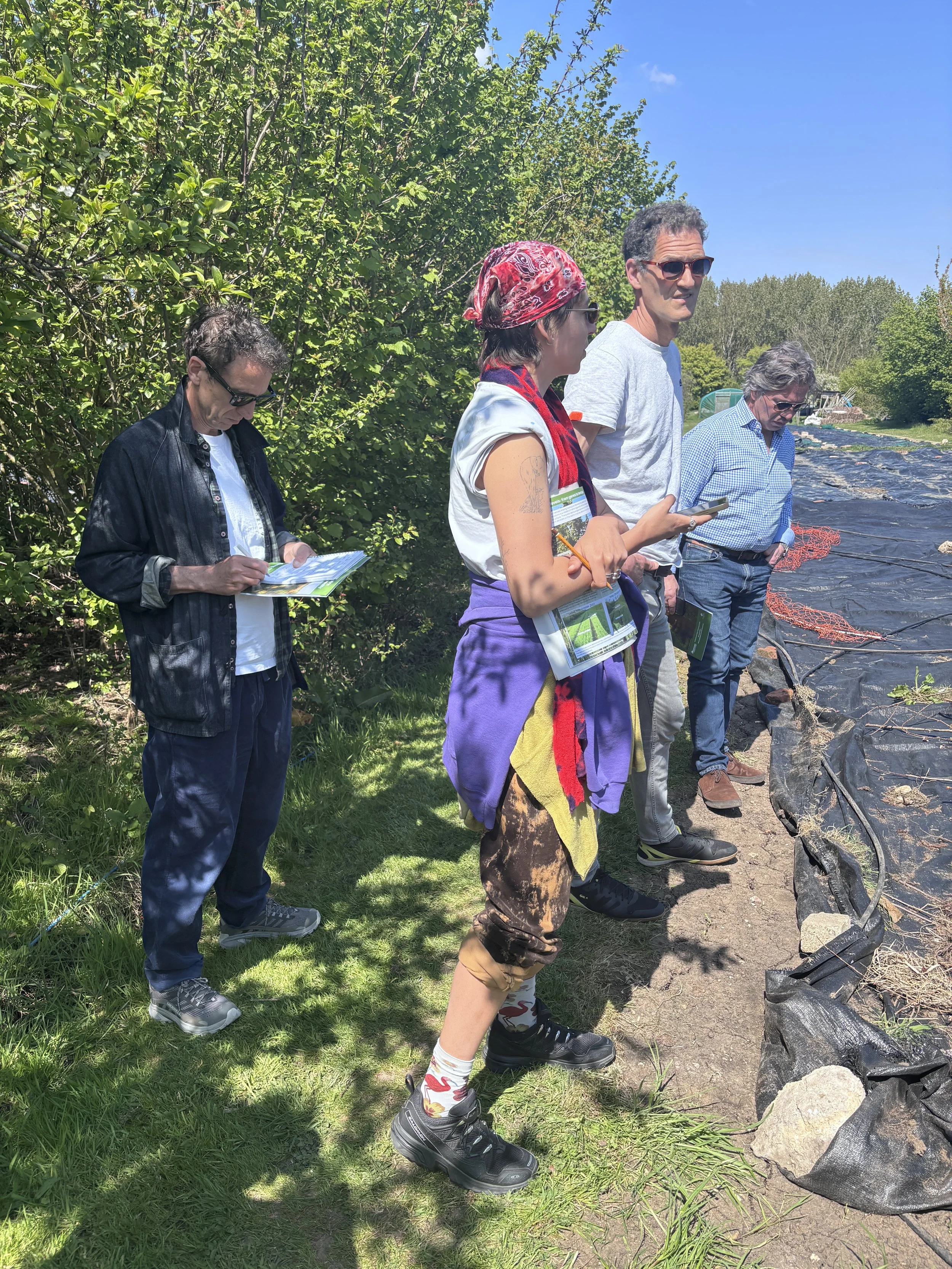
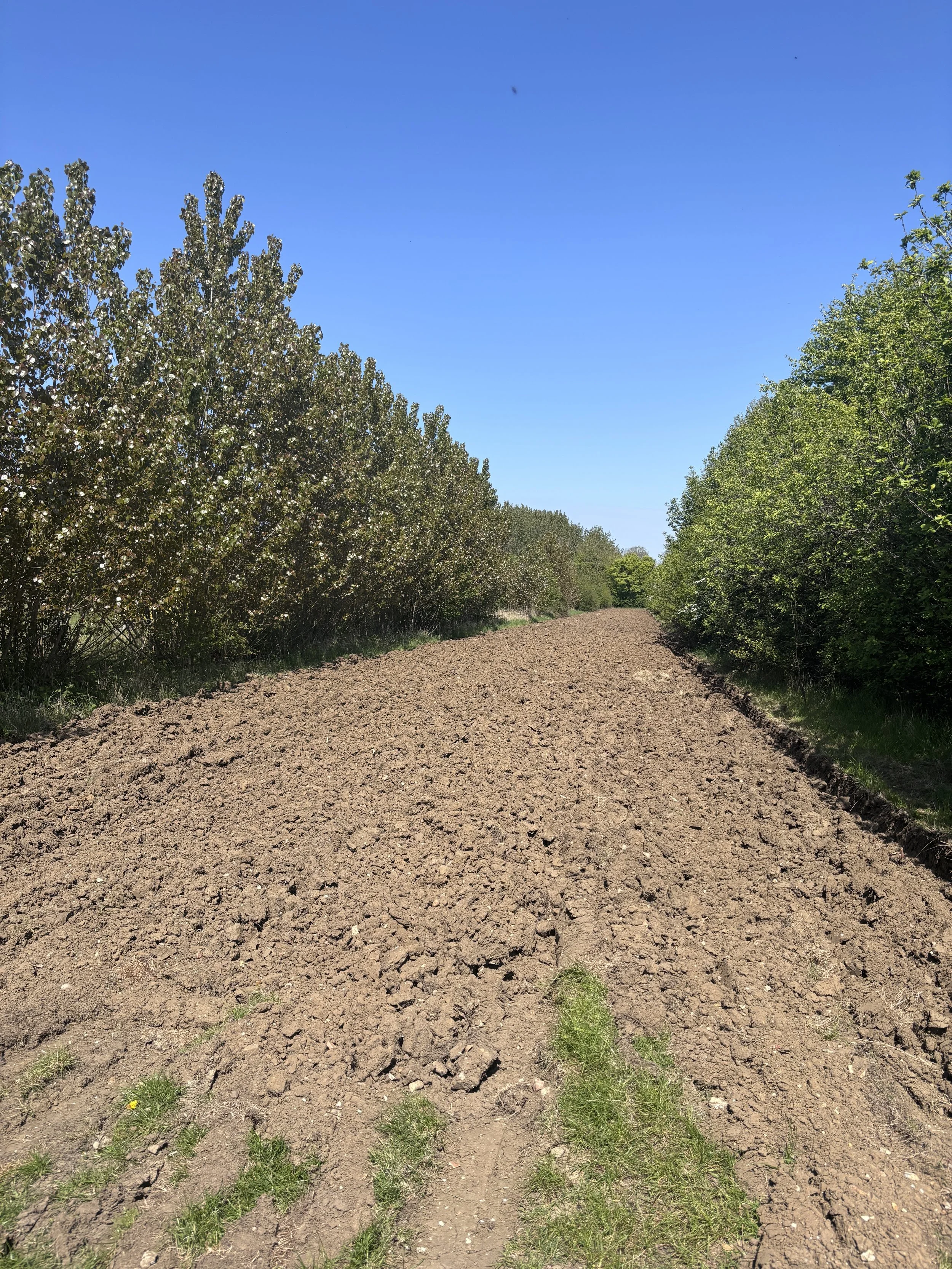
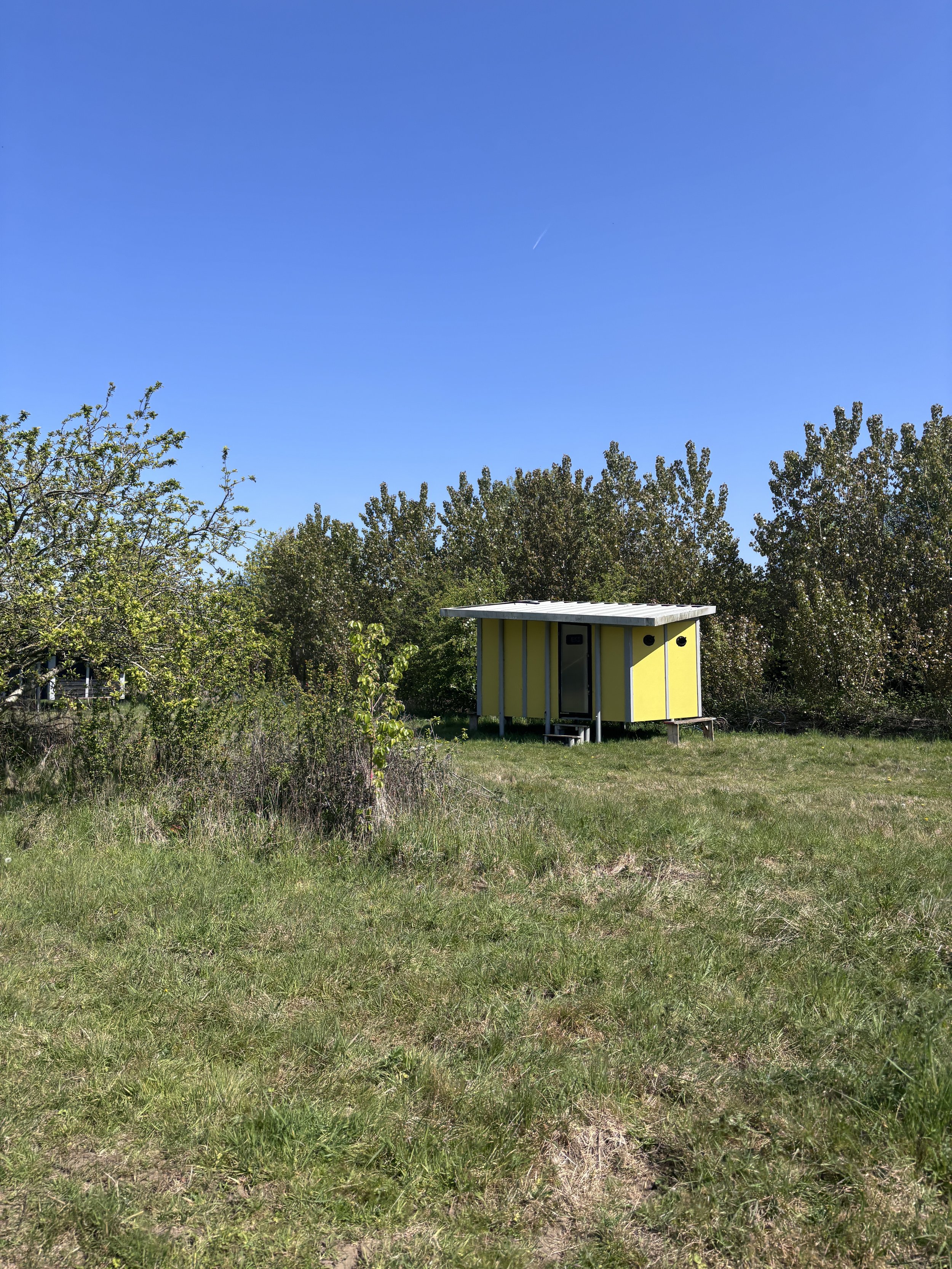
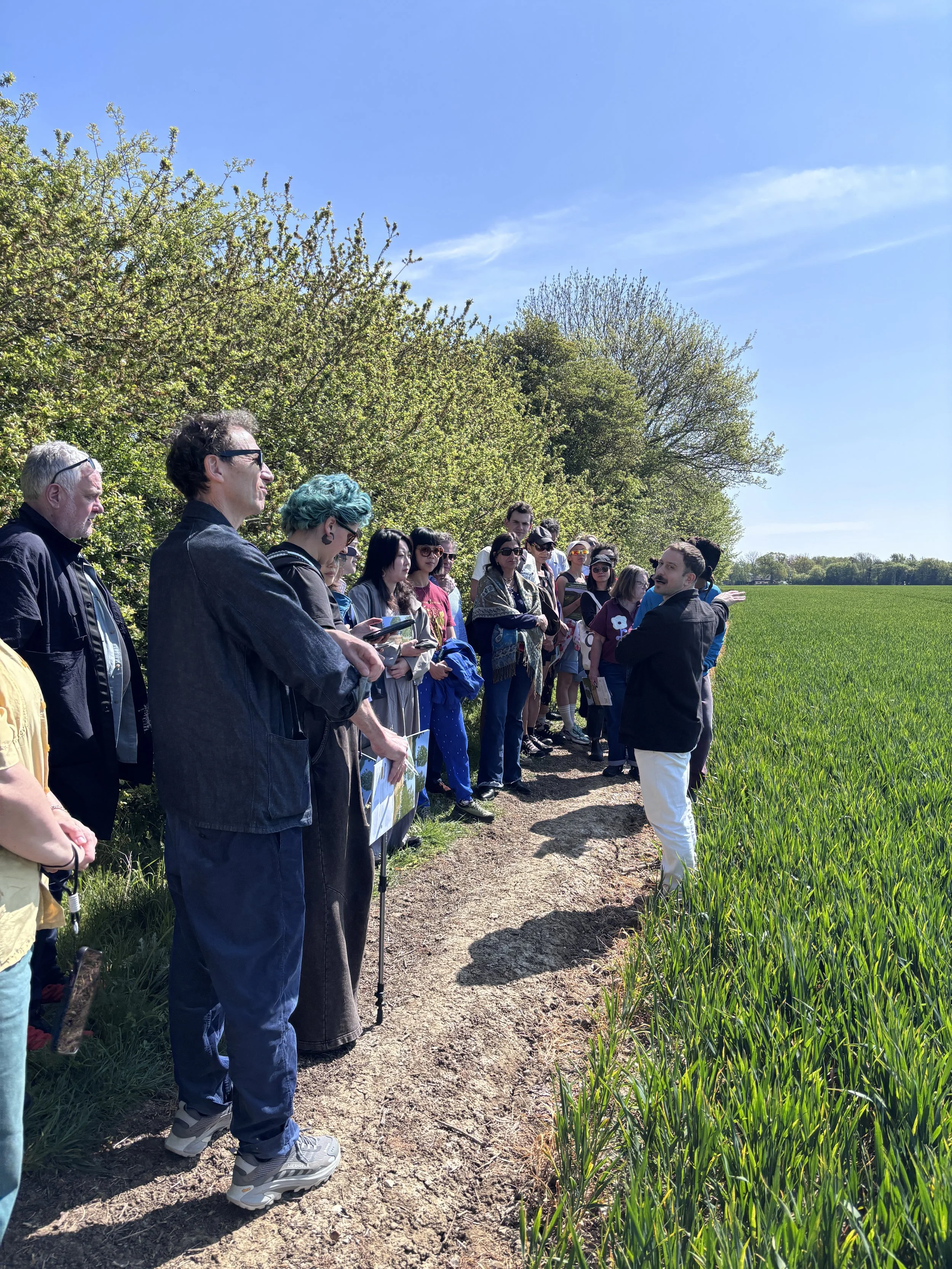
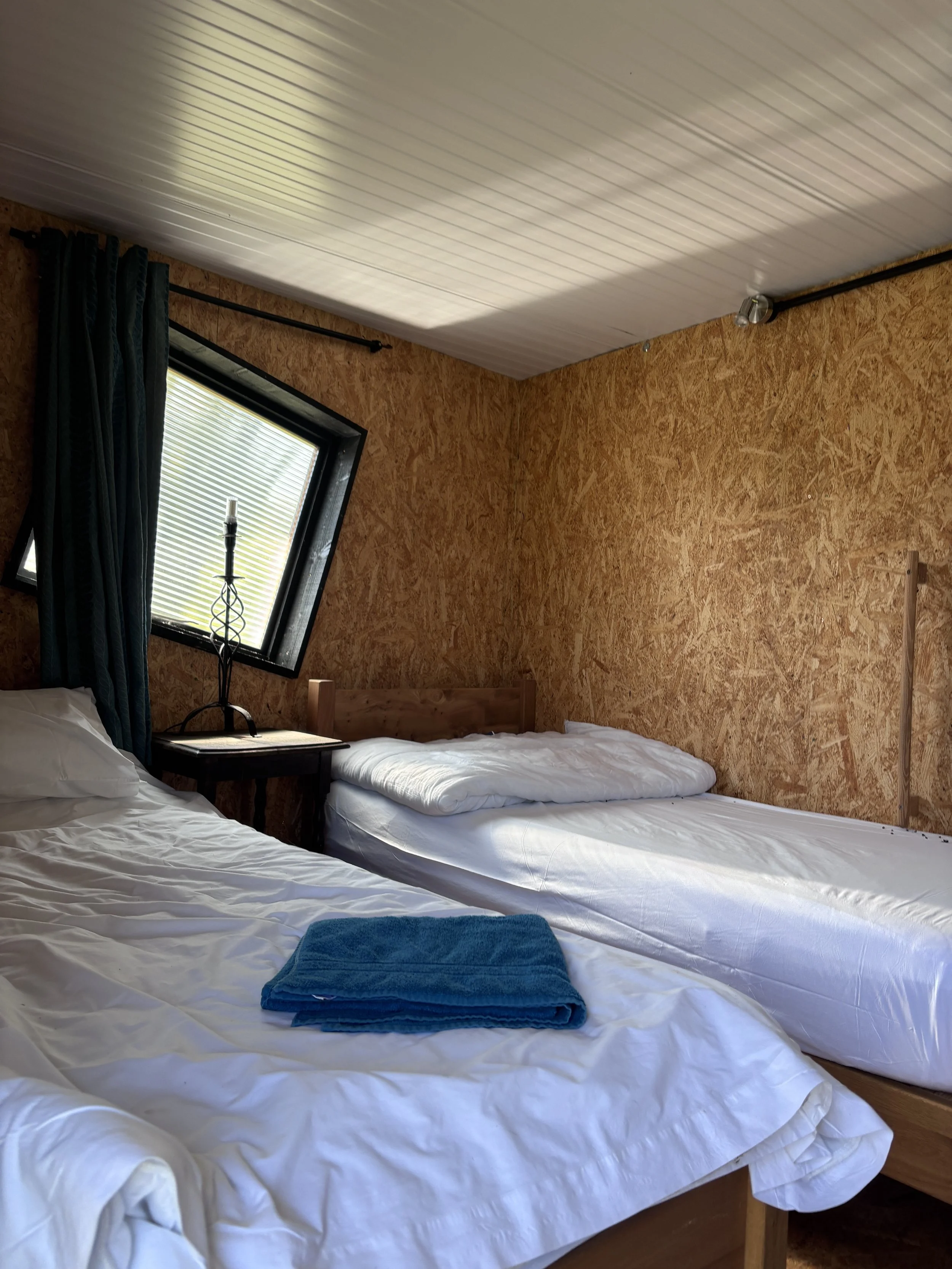
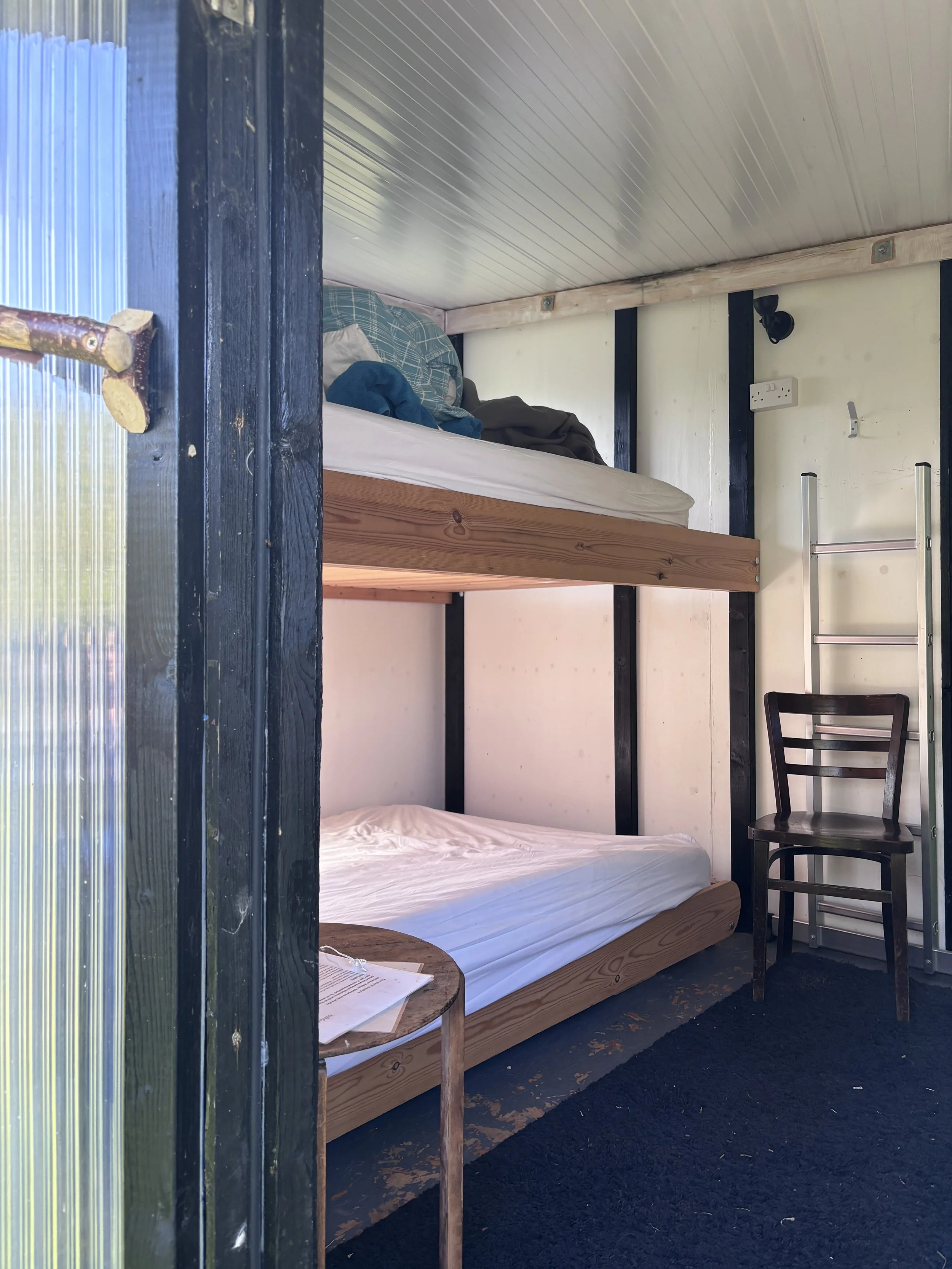
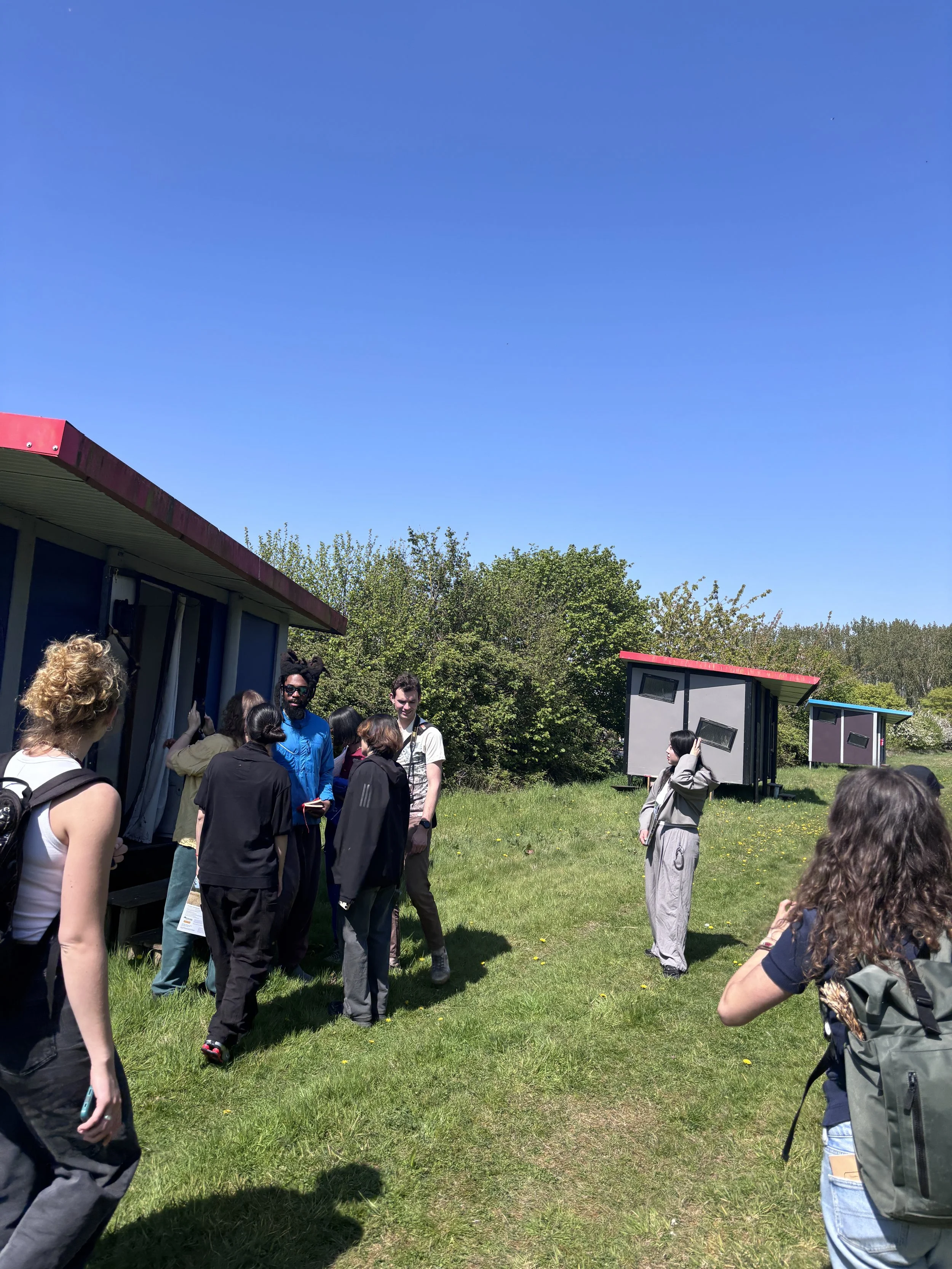
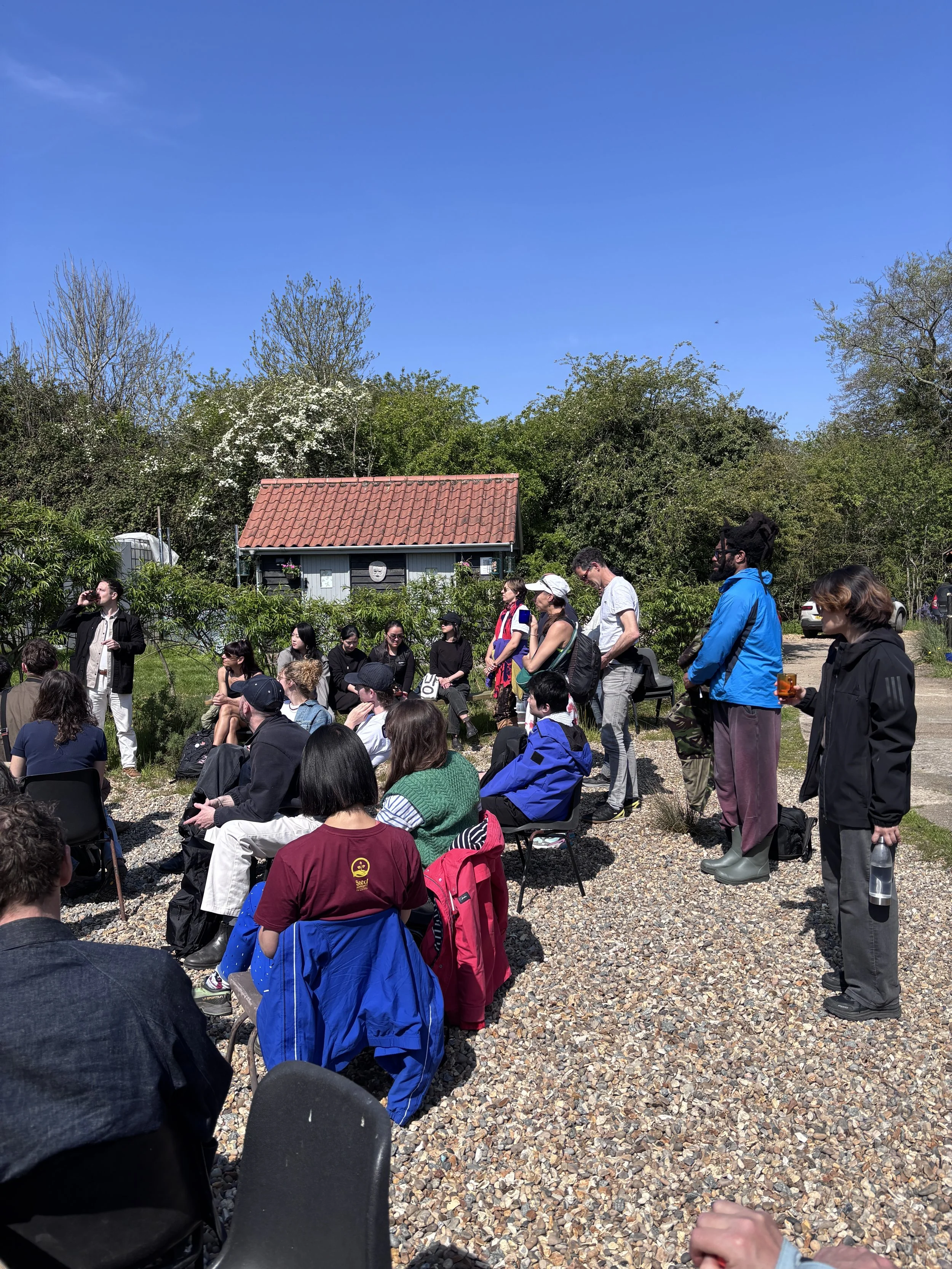
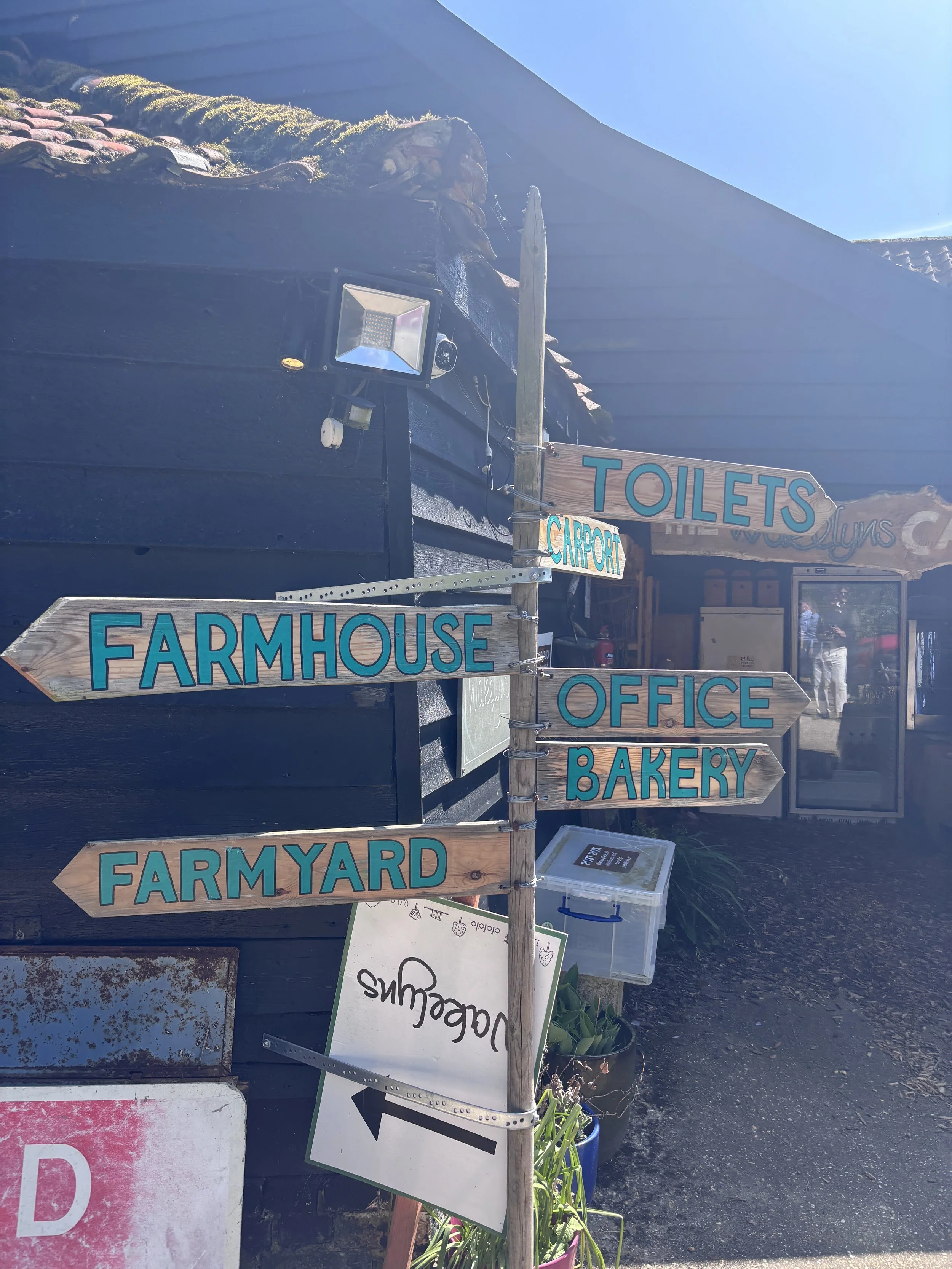
About the Tour
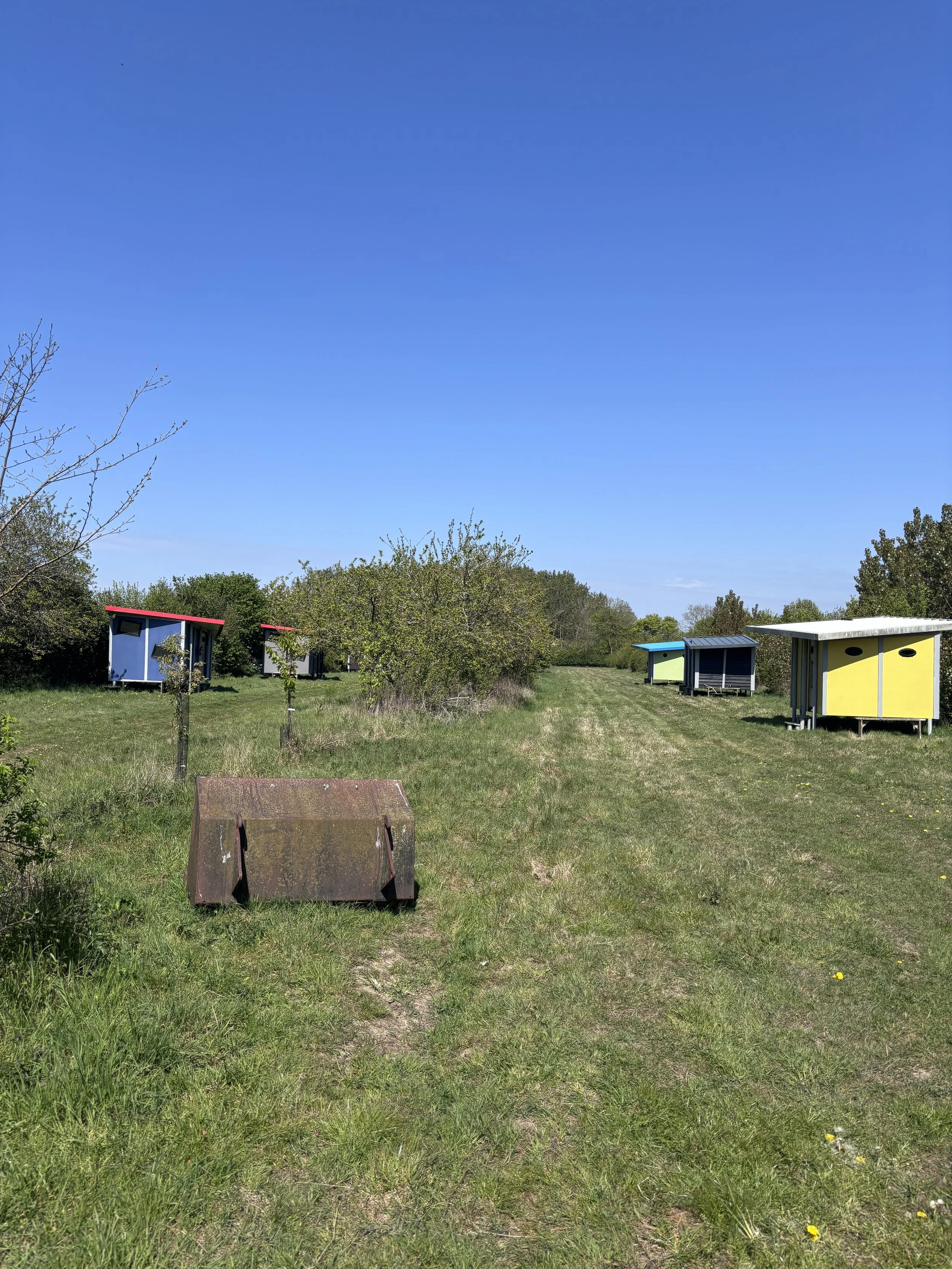
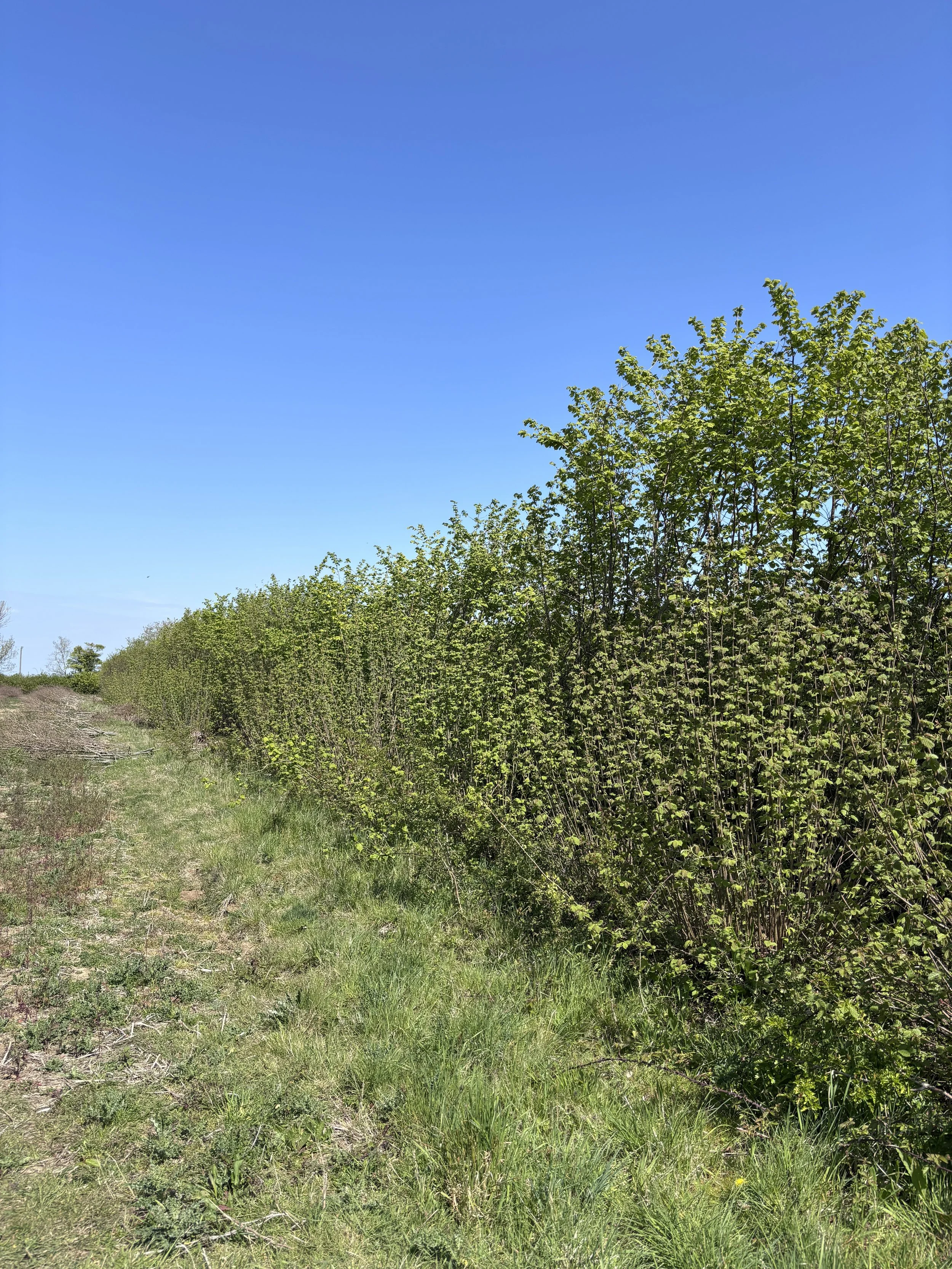
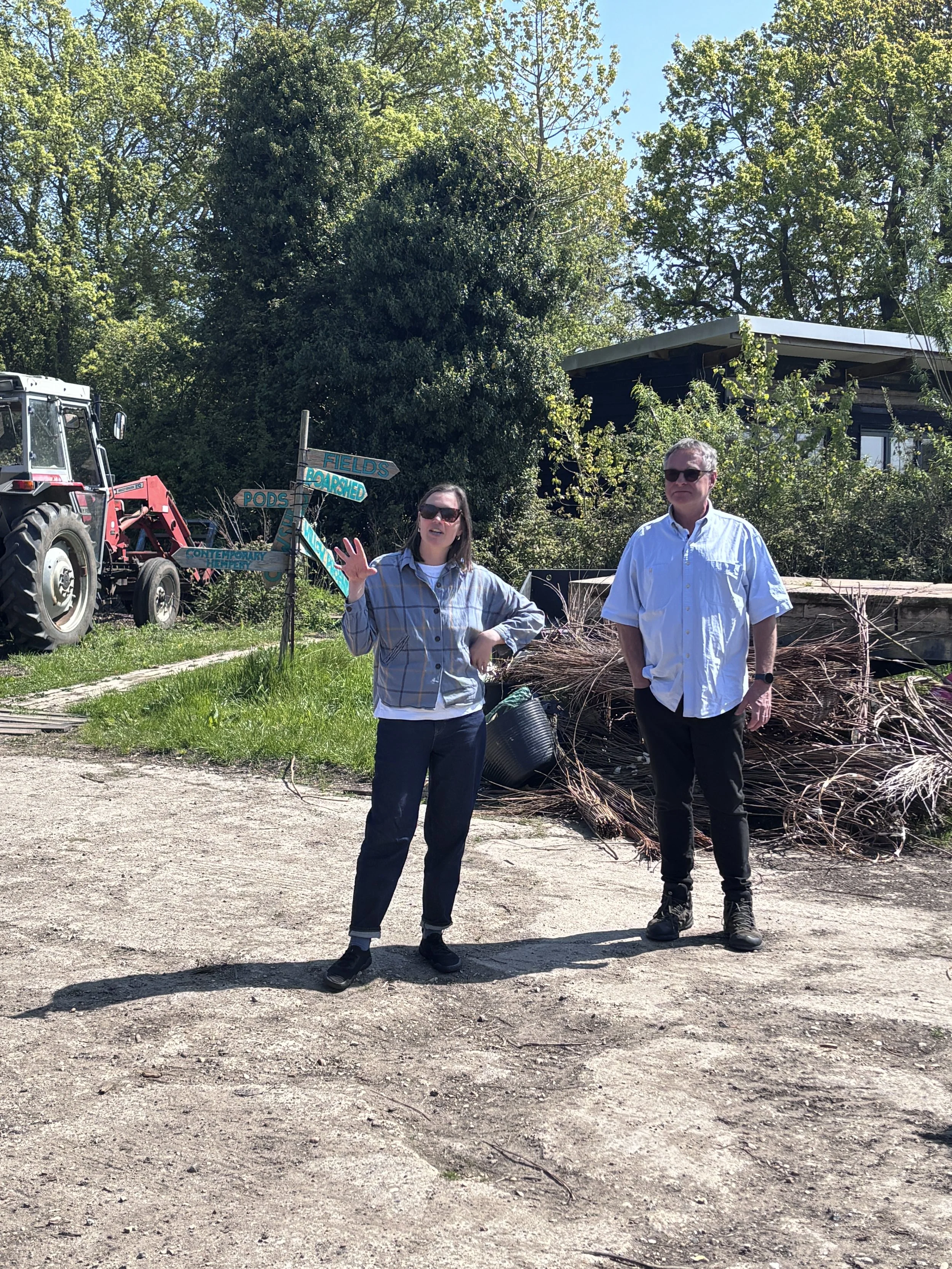
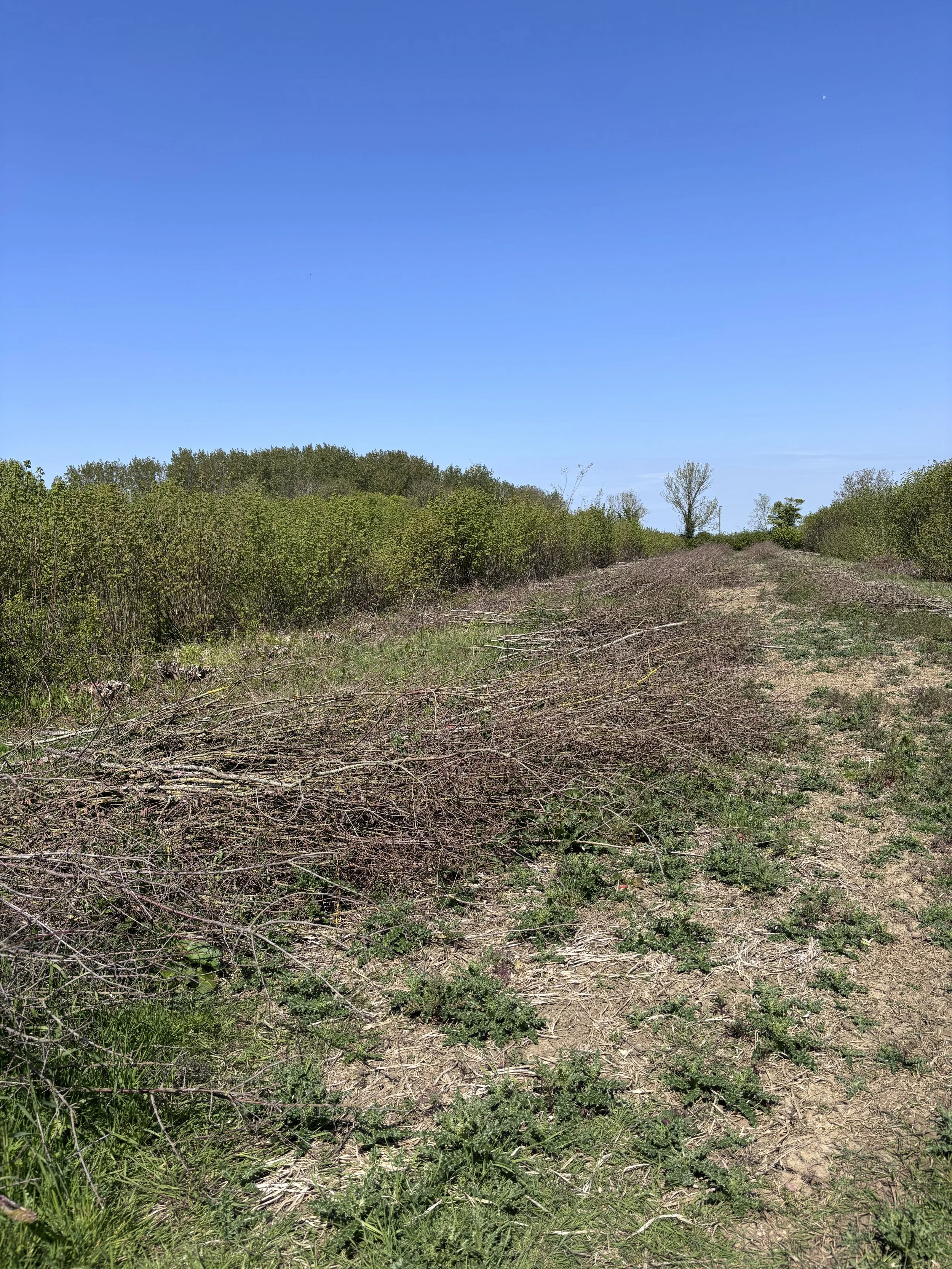
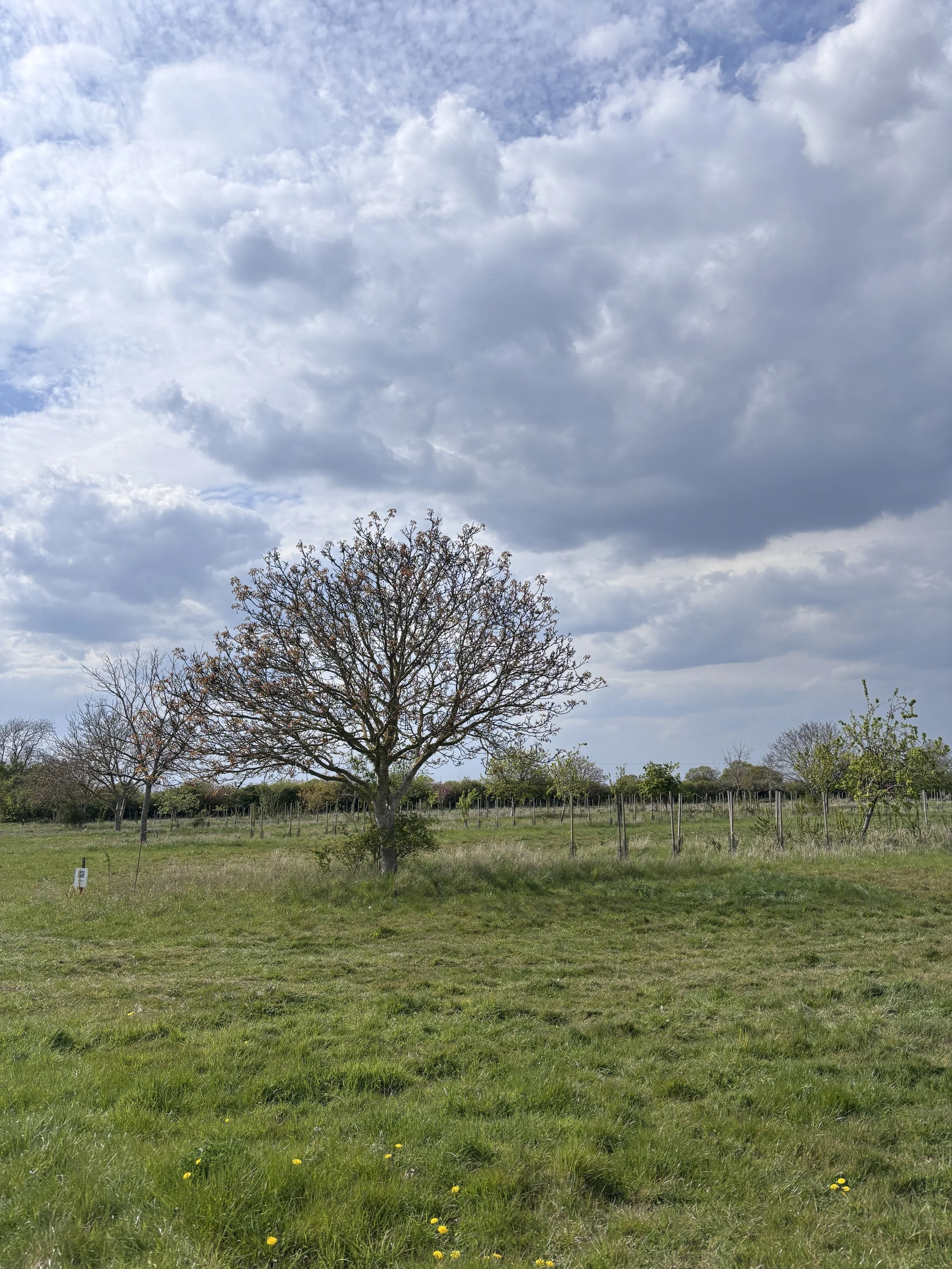
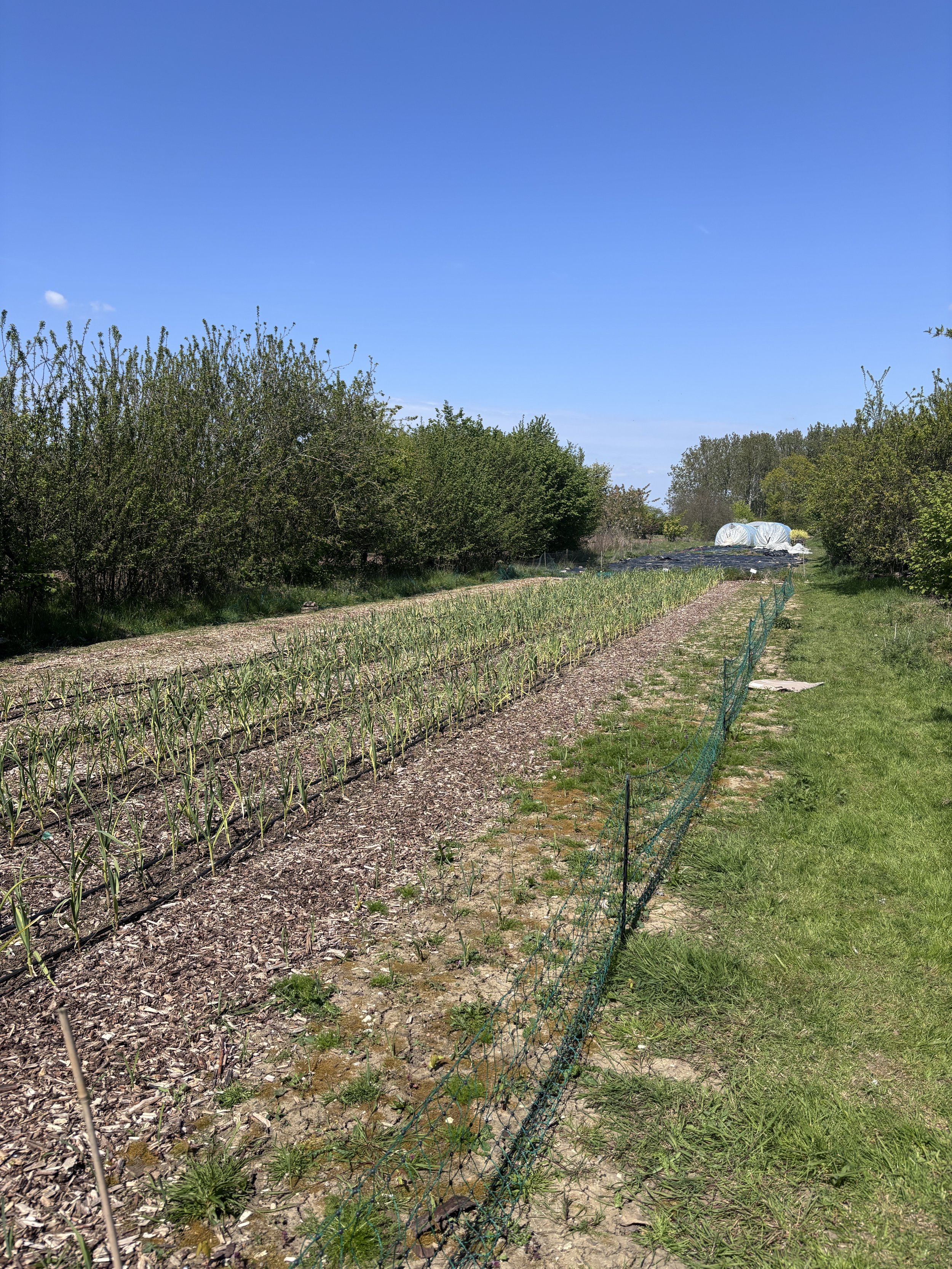
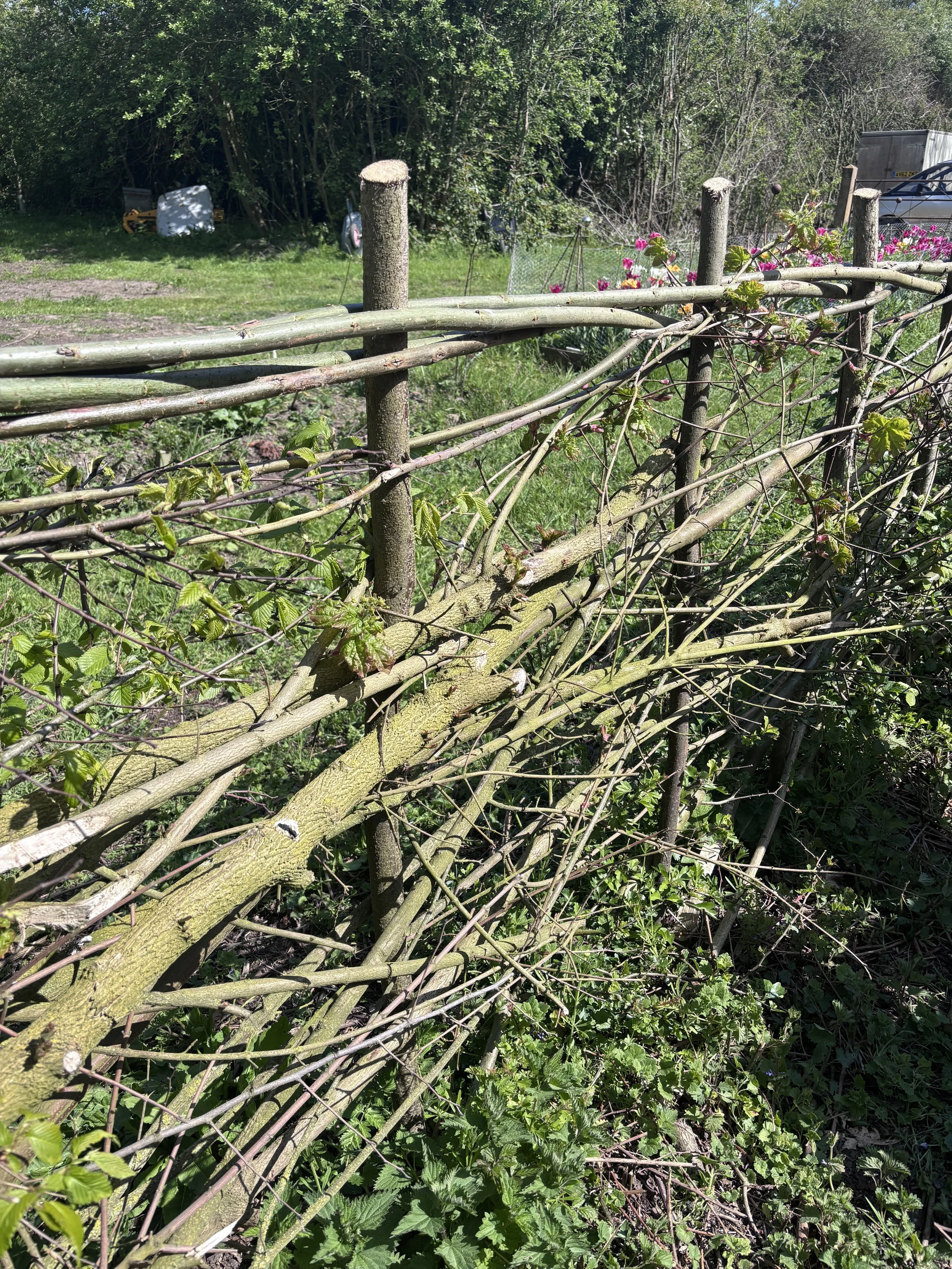
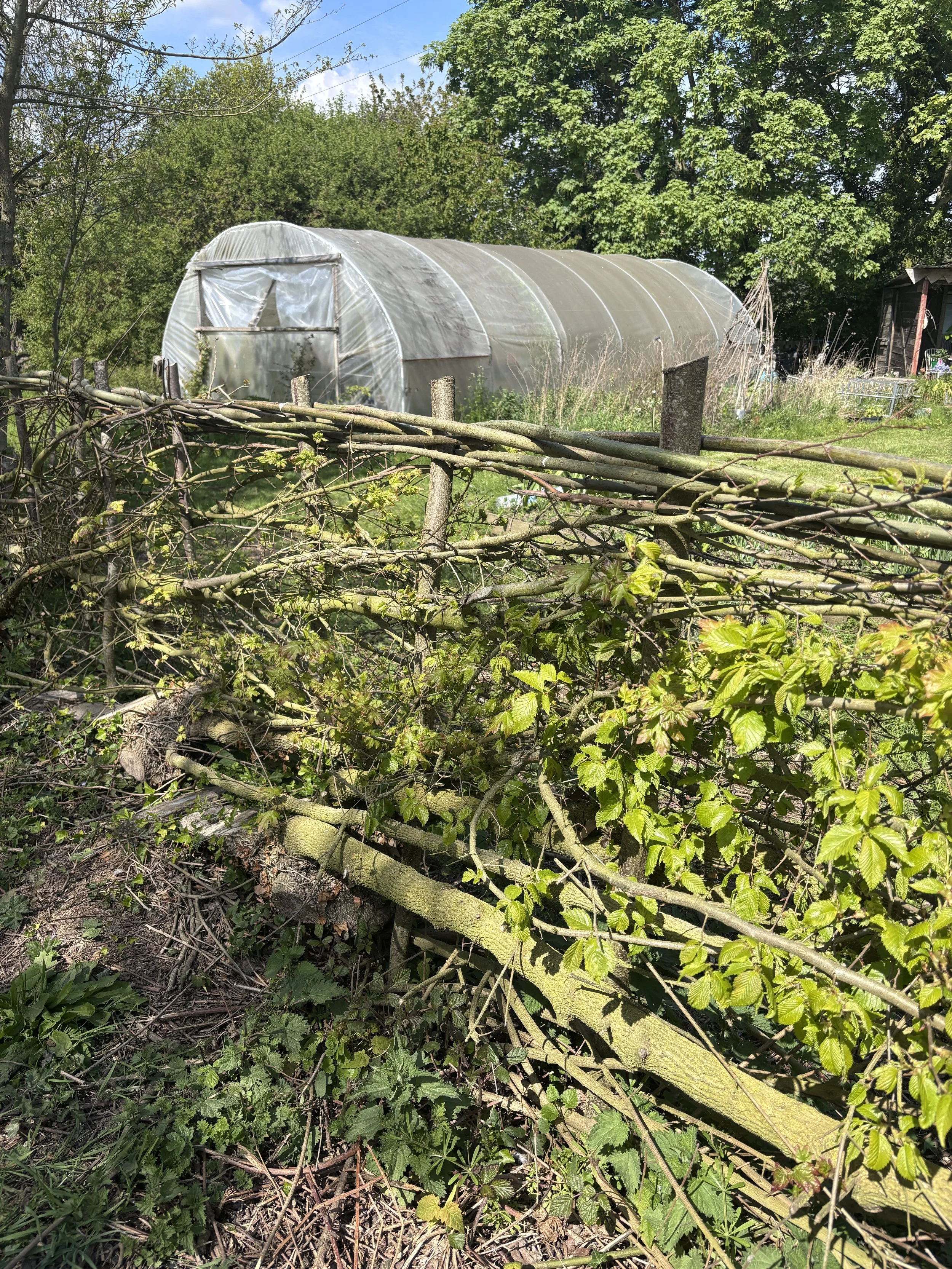
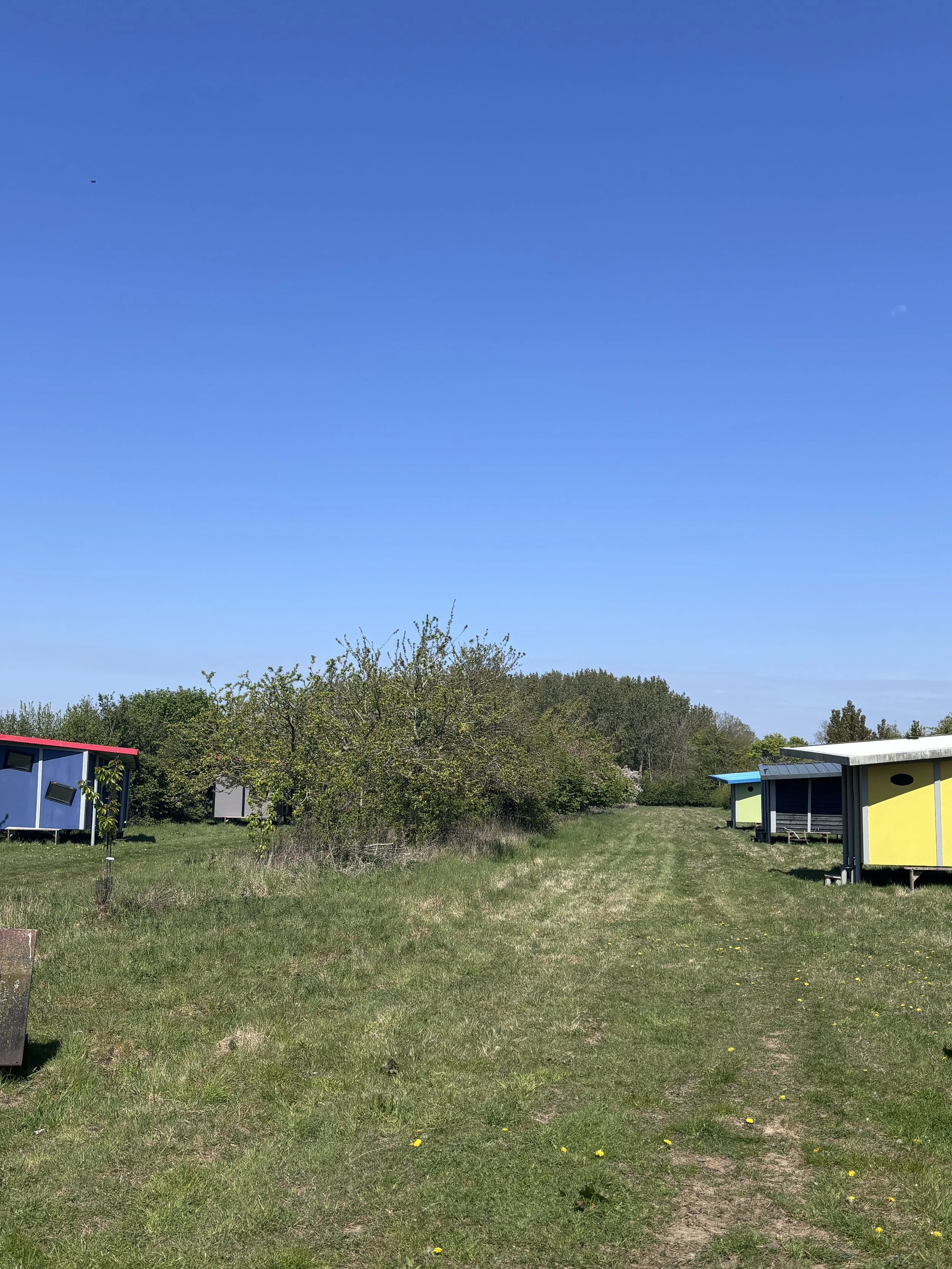
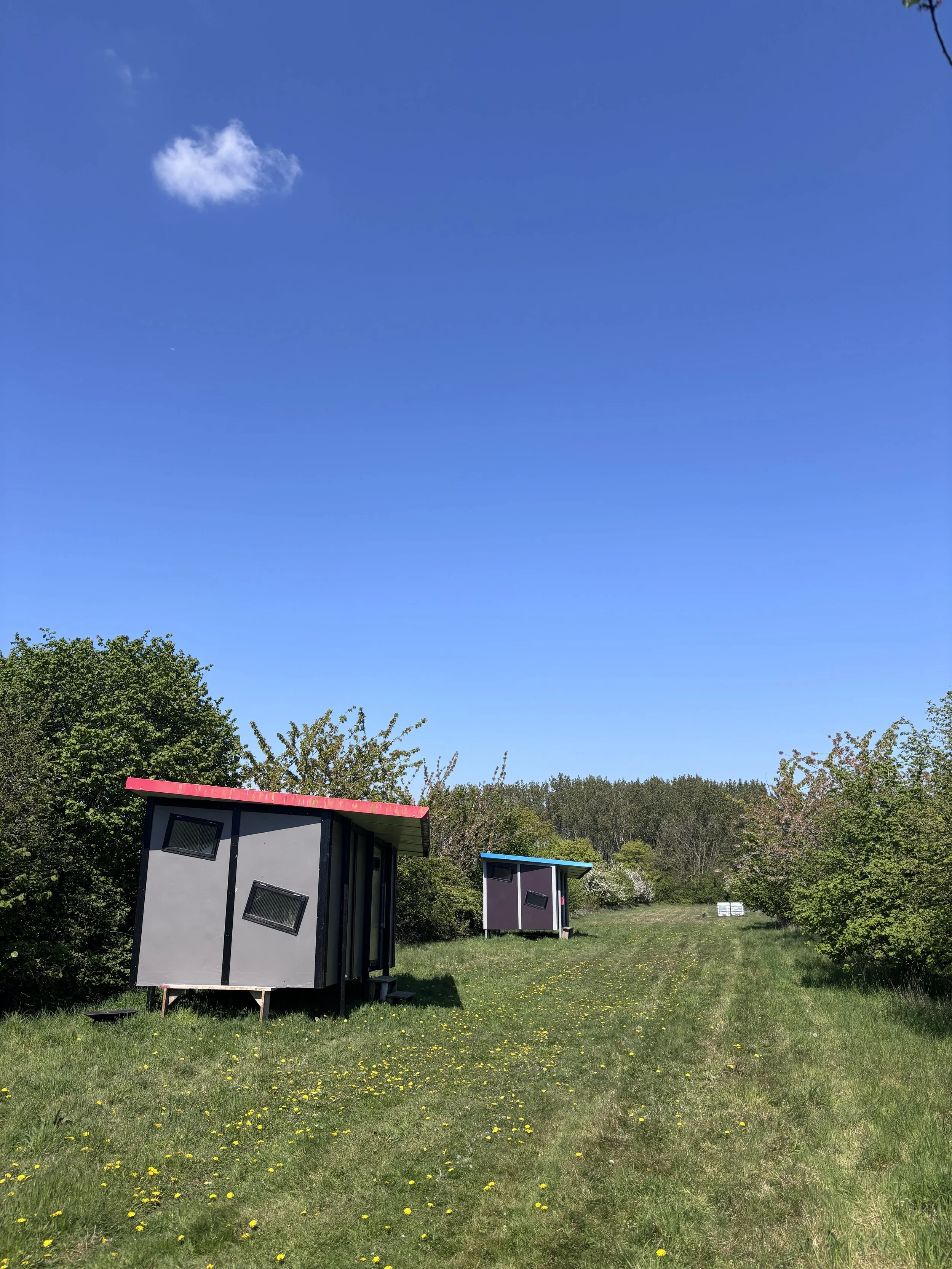
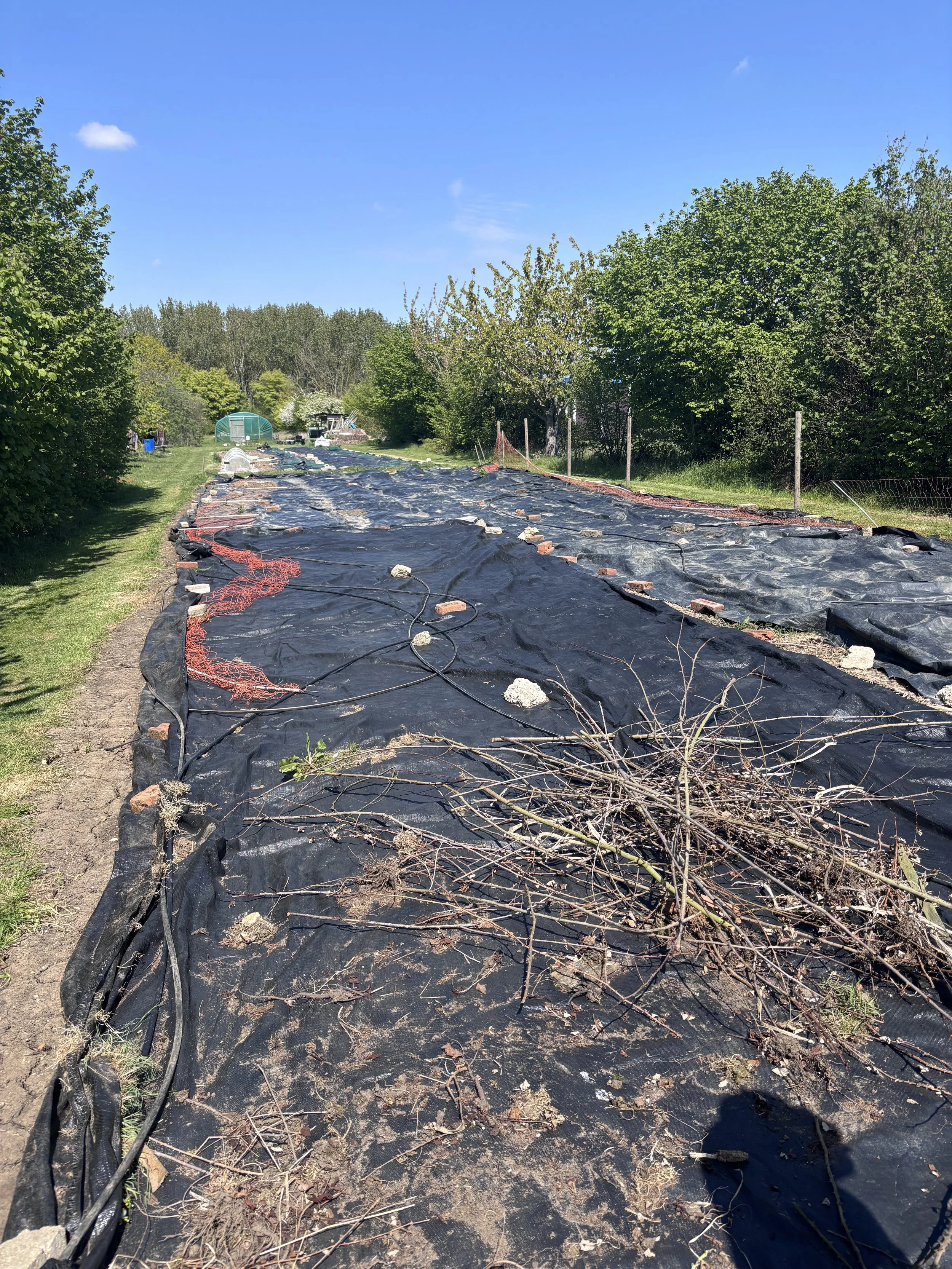
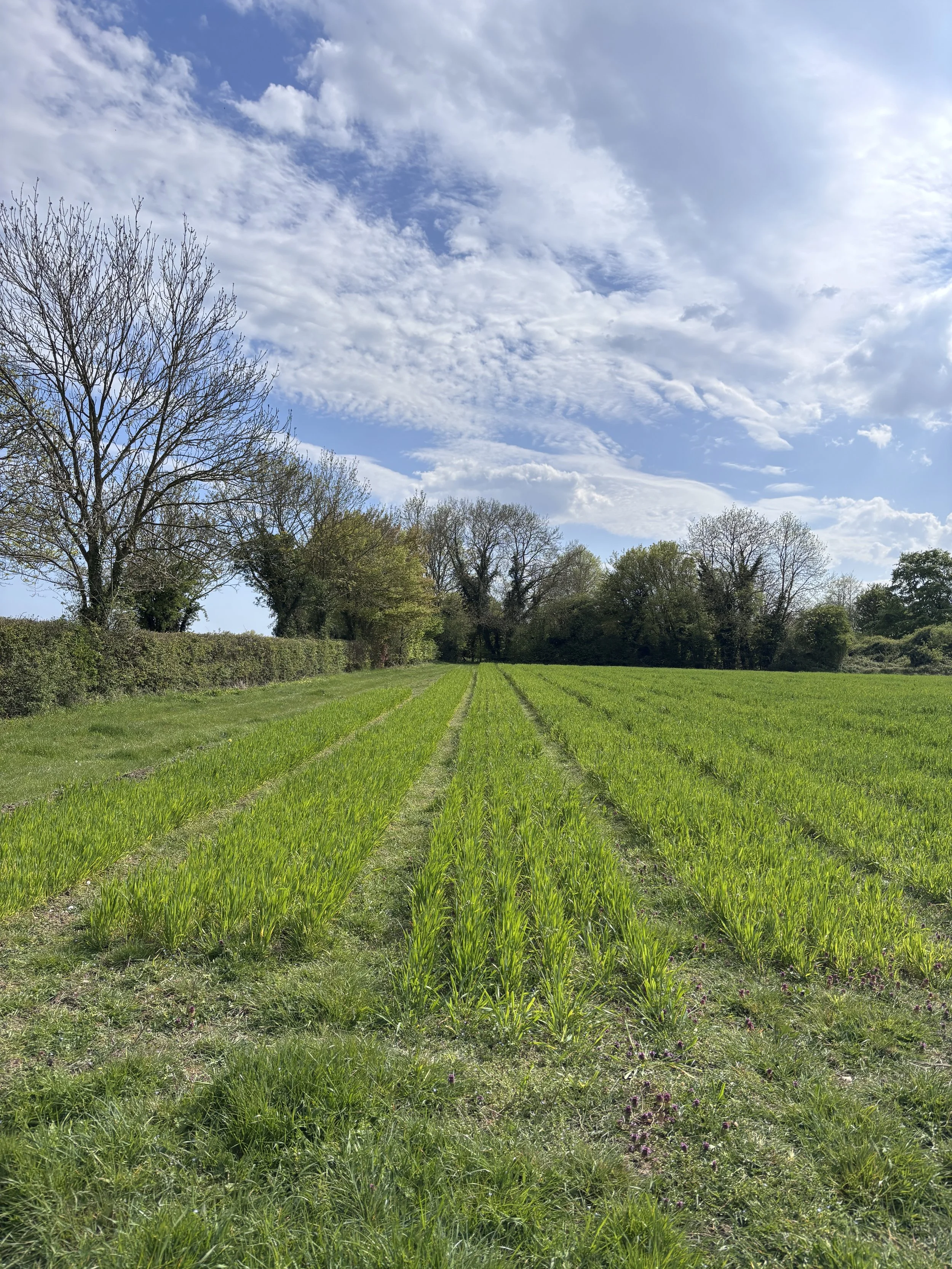
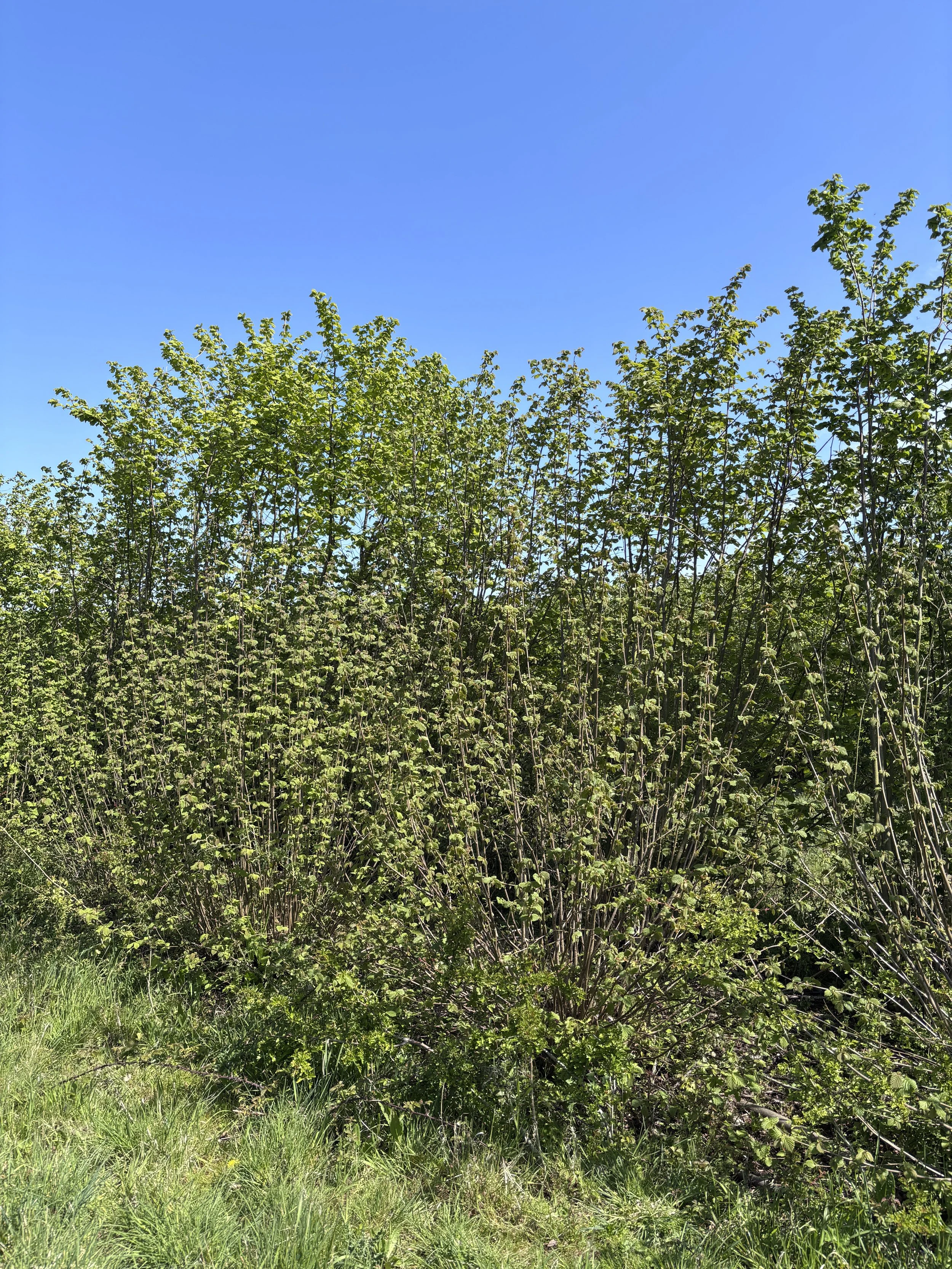
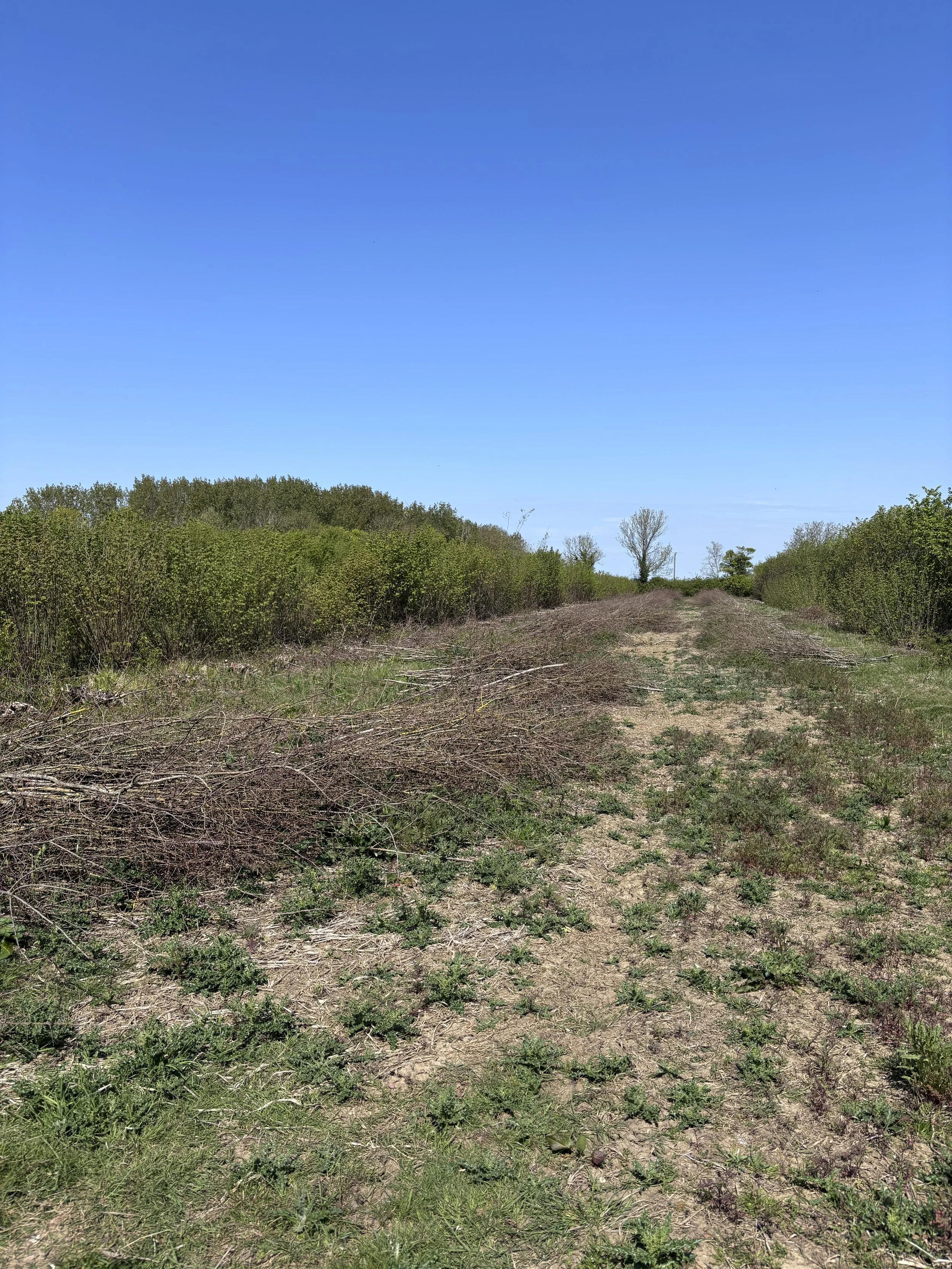
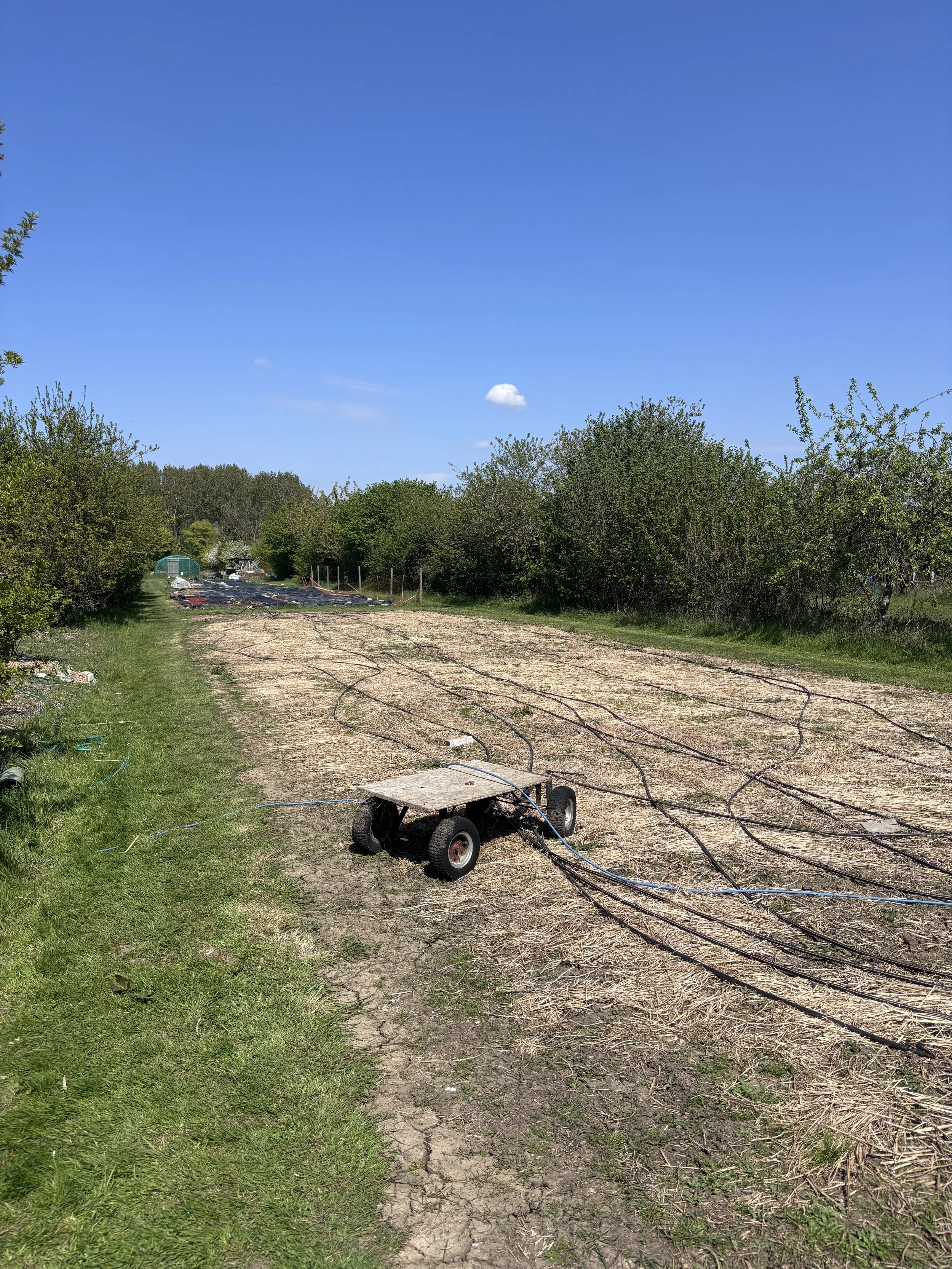
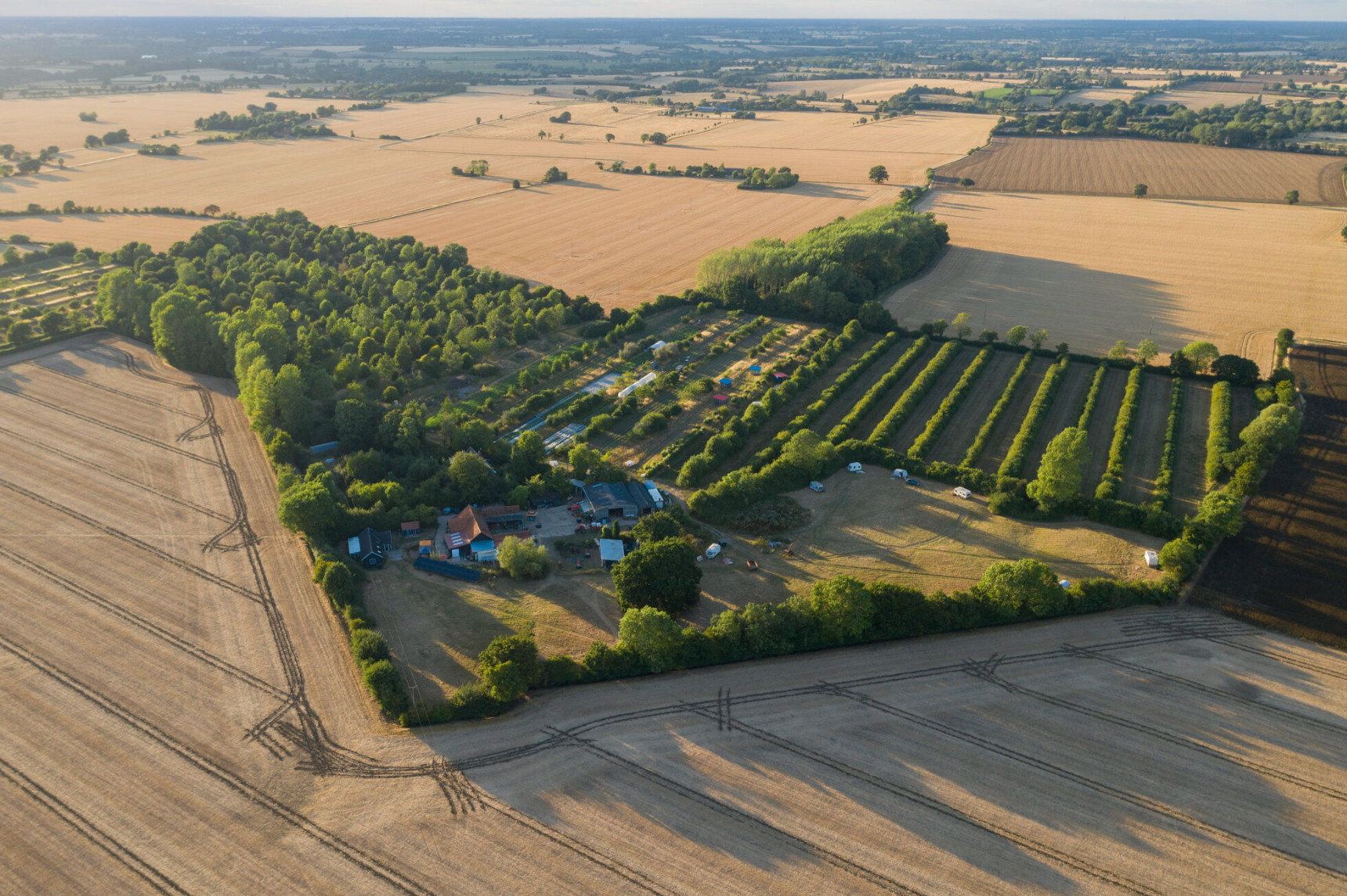
We invited Proposition studio artists, collaborators, and new friends from the Architectural Association and UAL’s MA Art and Science programme to visit Proposition’s partner Wakelyns, a pioneering 23-hectare organic agroforestry farm in Suffolk. Founded by Prof. Martin Wolfe, Wakelyns is known for its silvoarable systems, where trees grow alongside crops.
Guided by Martin’s son David Wolfe, who now runs Wakelyns with his wife Amanda Illing, we explored the farm’s rich ecosystem and its “stacked” independent enterprises, connected through the land.
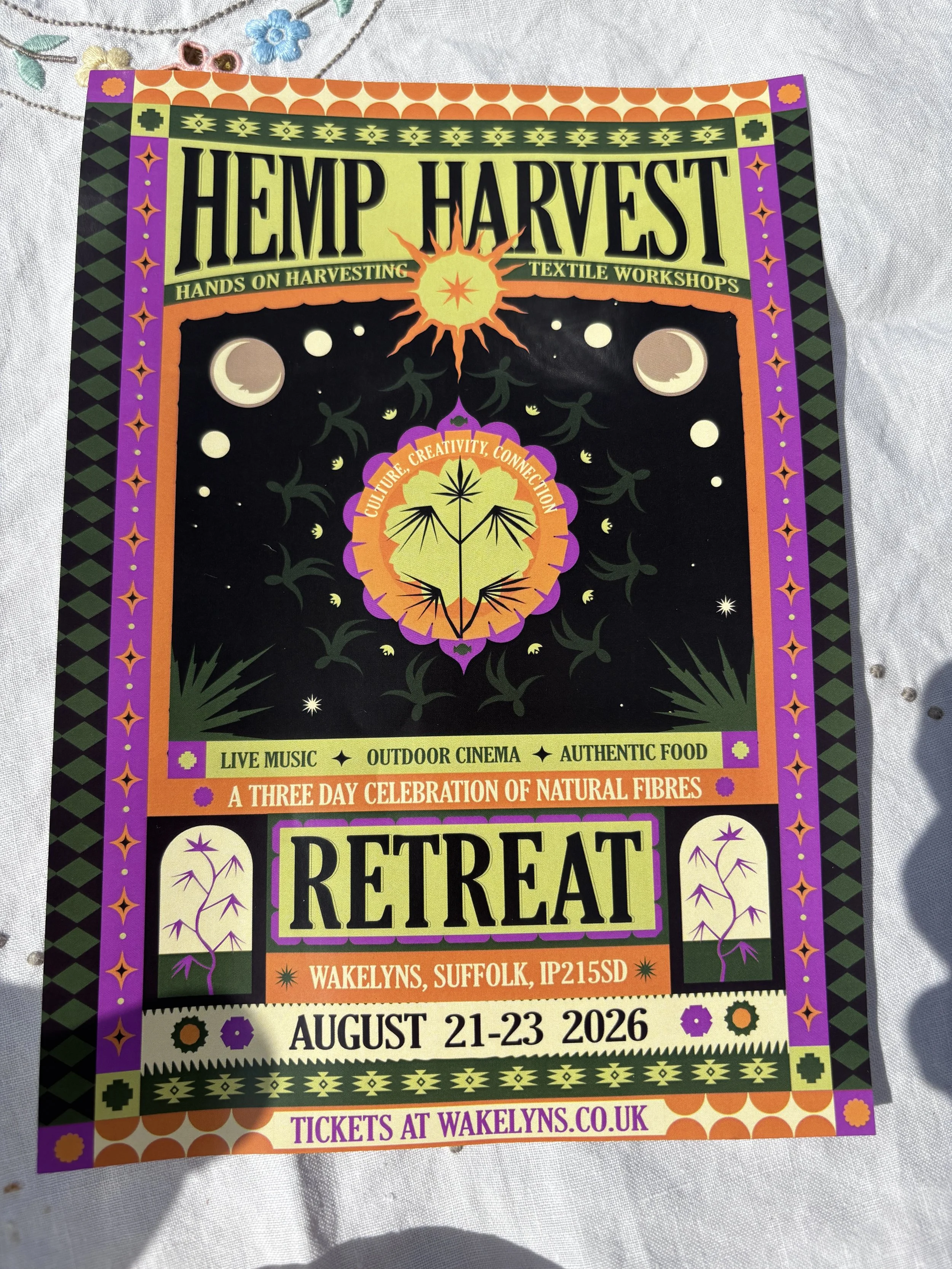
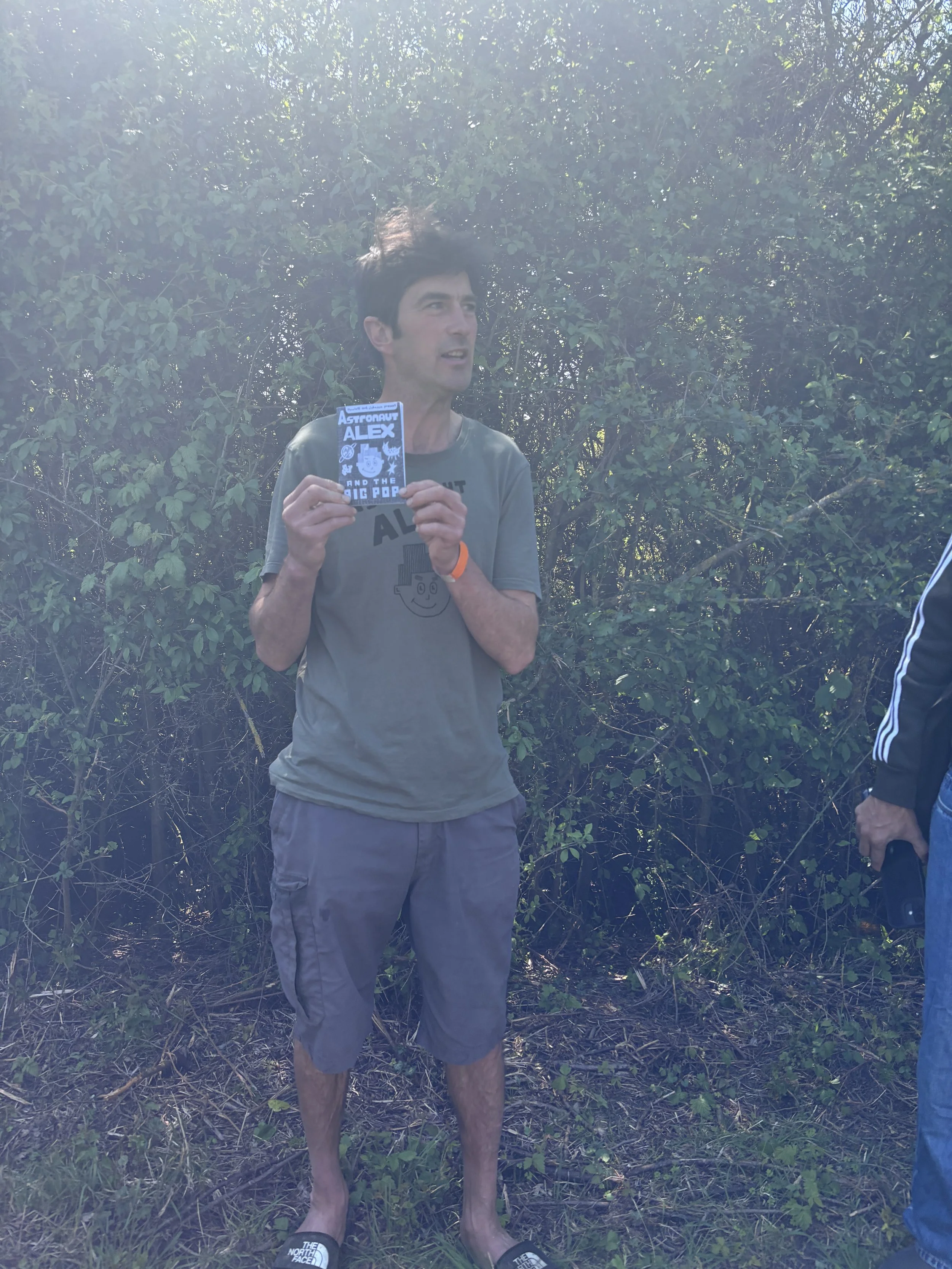
Contemporary Hempery demonstrated how they are reviving the tradition of plant-fibre textiles produced entirely in the UK. We also heard from the NGO Natural Habitat Community about their work bringing together practitioners from diverse backgrounds to share knowledge and skills that support sustainable land use, conservation, biodiversity, and education through an inclusive land-based movement.
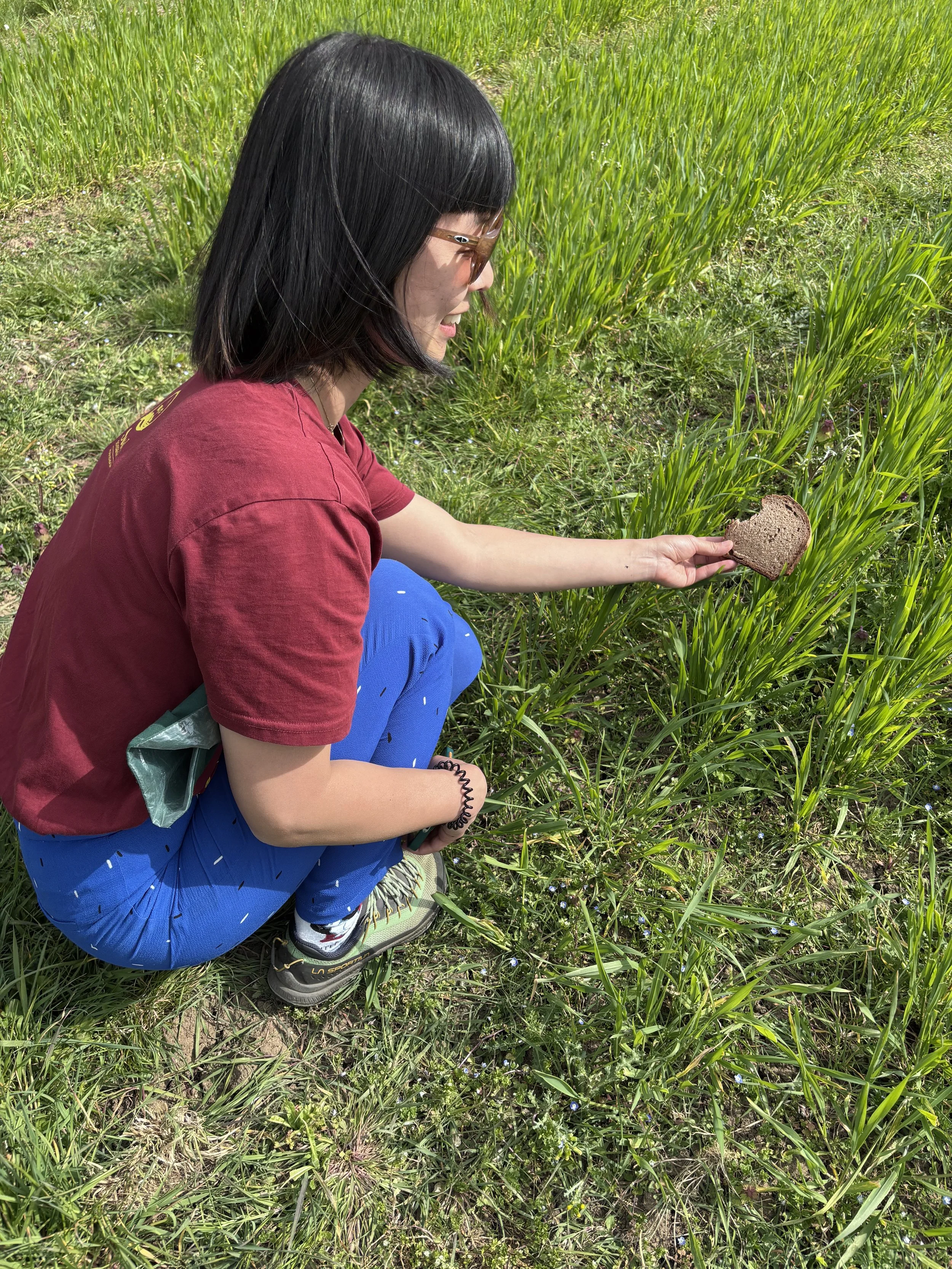
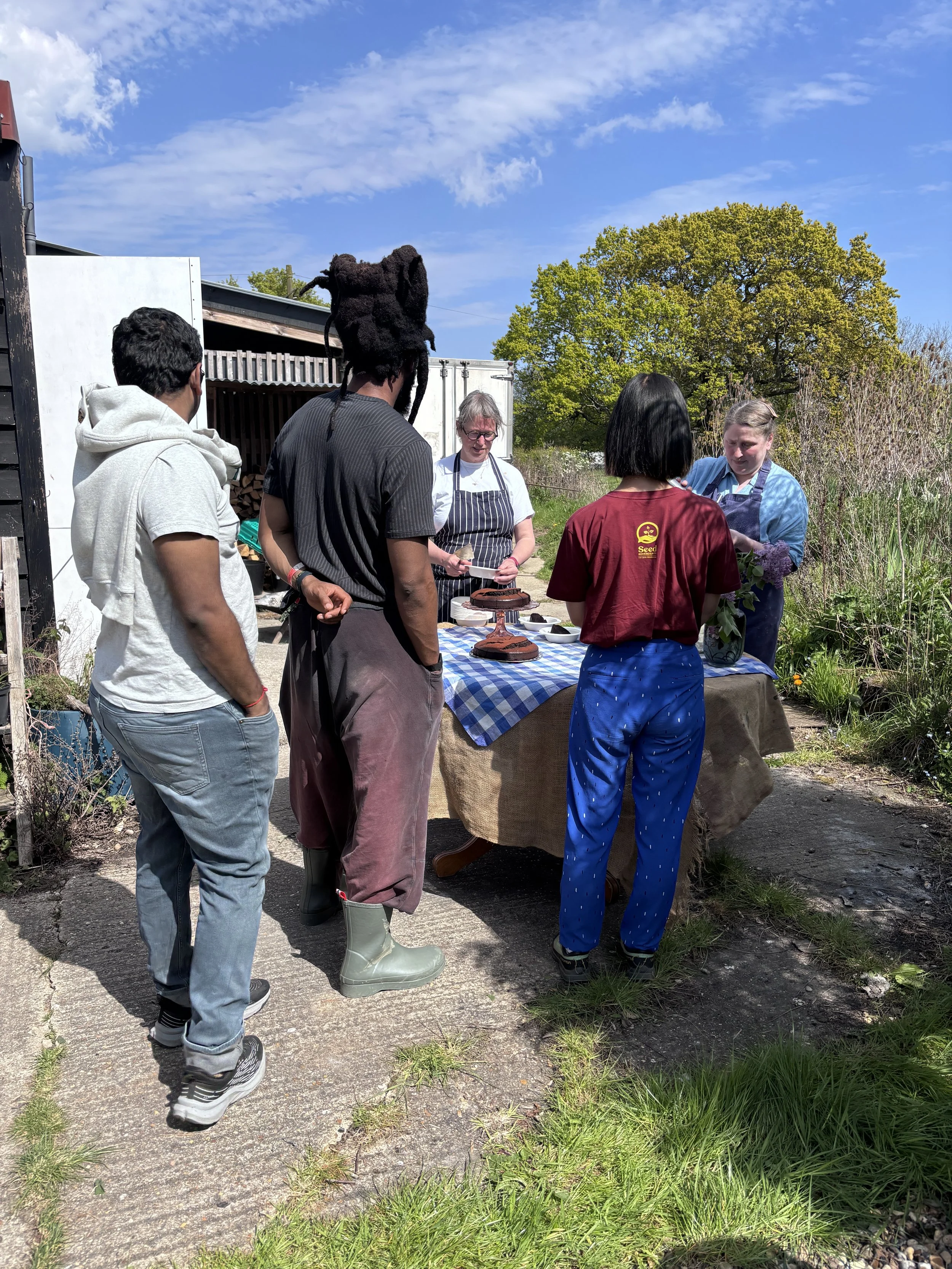
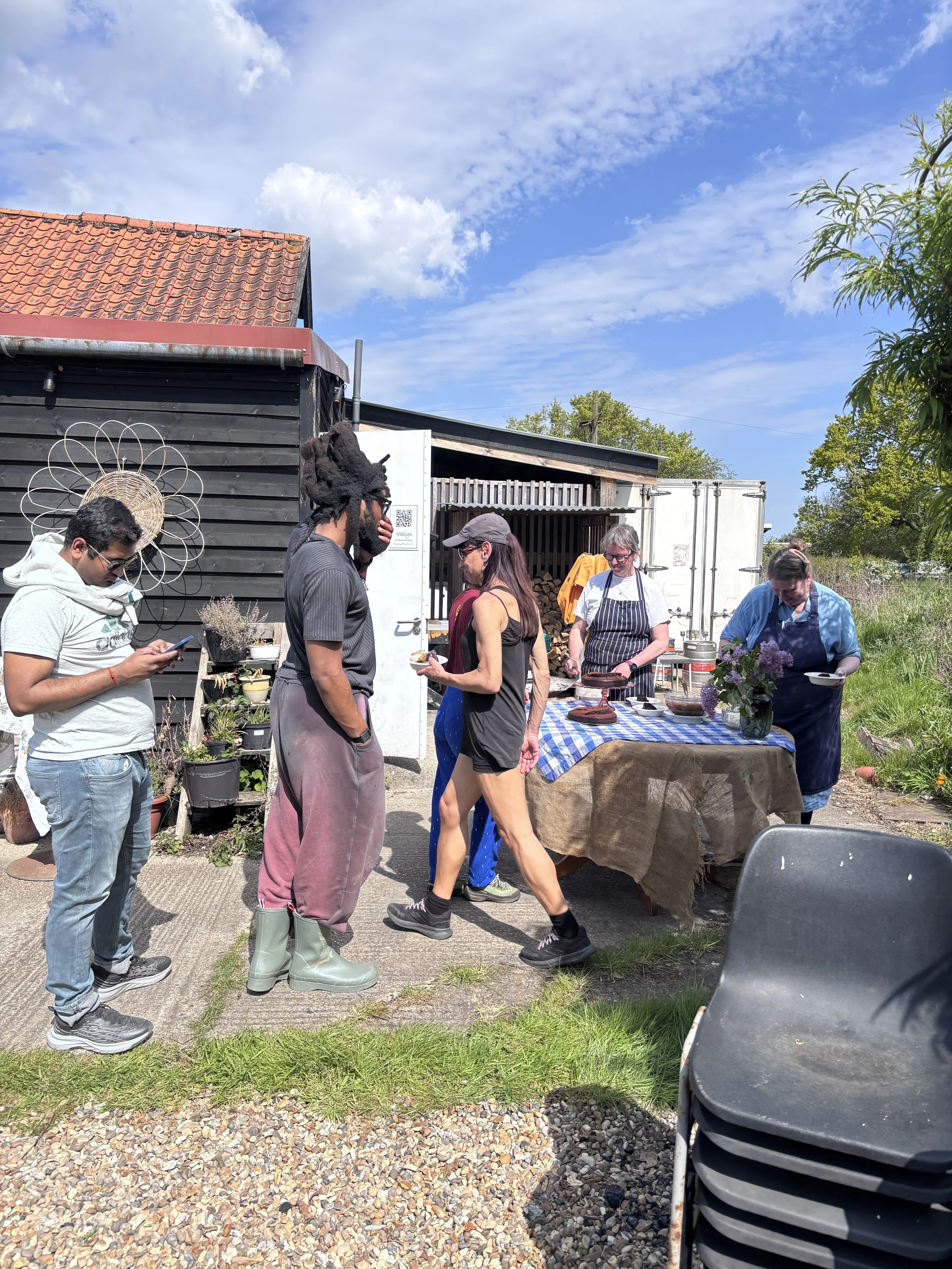
It was a day spent thinking about sustainability, research, and collaboration, and it concluded with delicious food from Wakelyns-based Silva Kitchen and Bakery, who cook using UK-grown, organic, genetically diverse grains, including the renowned YQ wheat developed at Wakelyns.
About Wakelyns
Wakelyns
Wakelyns is an organic agroforestry farm in Suffolk that brings together food production, farming, crafts, nature, education and community. Established in the early 1990s by Professor Martin Wolfe and Ann Wolfe, it has become one of the UK’s oldest and most diverse agroforestry sites, demonstrating how trees, crops and wildlife can thrive together within a productive farming system.
Today, Wakelyns is home to a range of small, collaborative enterprises producing food, growing fruit and vegetables, creating traditional crafts, hosting courses and events, and welcoming visitors from many backgrounds. The farm promotes biodiversity, regenerative land management and knowledge-sharing, making it an inspiring example of how farming can support both people and nature.